Why Estate Auctions Beat Retail for Luxury Goods

There is a persistent misconception that buying luxury goods means walking into a boutique, paying full price, and accepting whatever happens to be in stock that season. For a growing number of informed buyers, that is simply not how it works anymore. The secondary market — estate auctions in particular — has become the preferred destination for anyone who wants authenticated luxury at prices that make sense.
The price advantage alone is compelling. Luxury goods acquired through estate auctions routinely sell for 30 to 70 percent below current retail, depending on condition, age, and demand. A handbag that retails for four thousand dollars today might bring fifteen hundred at estate auction. A fine watch that has appreciated since its original purchase may sell for less than replacement cost, even after years of ownership by the original buyer. This is not distressed merchandise — it is simply how secondary markets function when the original owner no longer needs the item.
Authentication is where reputable auction houses earn their keep. The concern most often raised about secondary market luxury is the risk of counterfeits, and it is a legitimate concern in private sales and unregulated online marketplaces. A licensed auction house with trained catalogers examines hardware, stitching, serial numbers, hallmarks, and provenance before a lot ever reaches the bidding platform. When you bid at a credentialed auction, you are getting the benefit of professional authentication without paying a boutique premium for it.
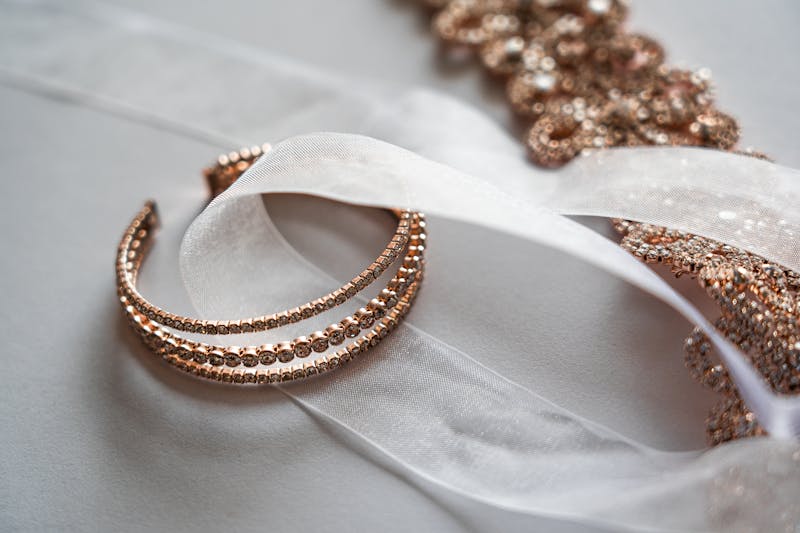
The variety of inventory is something no retail environment can replicate. An estate auction might offer a vintage Cartier watch alongside a current-season designer bag, a set of sterling silver flatware, and a signed piece of jewelry — all in the same sale. These pieces were acquired over decades by real collectors and are being offered in a single concentrated moment. For buyers with broad tastes, that depth of inventory is genuinely irreplaceable.
The secondary market for luxury is also booming for structural reasons. Resale platforms and auction houses have invested heavily in authentication infrastructure, and buyer confidence has risen accordingly. The global resale market for luxury goods is growing faster than primary retail, driven by younger buyers who are environmentally conscious, value-oriented, and comfortable with pre-owned goods. Auction houses are a direct beneficiary of this shift.
There is also the element of discovery that no retail store can offer. Walking into a boutique, you see exactly what that brand wants you to see. Bidding in an estate auction, you encounter pieces that were chosen by someone else over a lifetime — unusual colorways, discontinued models, limited editions, and vintage pieces that are simply not available anywhere at retail. For collectors, that unpredictability is not a drawback. It is the entire point.
At Ageless Auctions, we source directly from estates and private collections across Florida, which means our luxury inventory reflects real collecting histories rather than commercial buying patterns. We catalog each piece carefully and present it with accurate descriptions and photographs so buyers can bid with confidence. Whether you are furnishing your wardrobe or building a collection, estate auction is worth making your first stop.