Antique Porcelain and China: Hidden Value in Your Cabinet
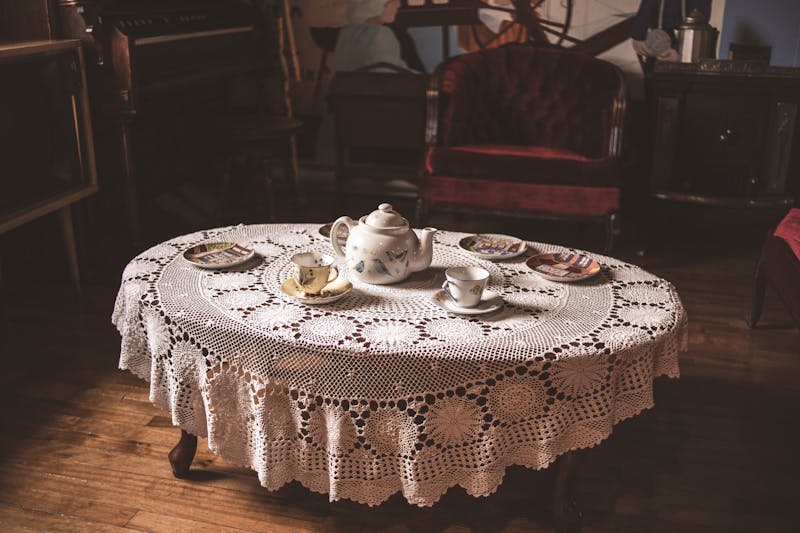
Most people inherit china without inheriting the knowledge to understand what they have. A set of dishes might sit in a cabinet for twenty years, quietly appreciated as a family heirloom but never seriously evaluated as an asset. That is a mistake worth correcting. Antique porcelain and china represent one of the most genuinely varied categories in the estate market, spanning everything from mass-produced Victorian tableware to hand-painted masterworks worth thousands of dollars per piece.
The first place any serious evaluation begins is the maker’s mark on the bottom of the piece. European manufacturers have been marking their porcelain since the early eighteenth century, and those marks are the single most reliable guide to origin, age, and value. The crossed swords of Meissen, the crown and script of Royal Copenhagen, and the various marks of the French Limoges factories all tell a specific story. Mark identification is a skill that takes time to develop, but reference guides and reputable auction archives make it accessible. When in doubt, the base of the piece holds the answer.
Among the most sought-after names in the porcelain world, Meissen occupies the top tier. Founded in 1710 and operating continuously ever since, the Saxon manufactory produced the standard against which all European porcelain has been measured. Pieces with hand-painted floral or figural decoration, particularly from the eighteenth and early nineteenth centuries, regularly achieve strong auction prices. Royal Copenhagen’s Flora Danica pattern is another category leader — individual dinner plates in this series have sold for hundreds of dollars apiece at major auction houses. Limoges covers a wider range: the finest hand-painted Limoges with artist signatures commands serious money, while mass-produced Limoges blanks decorated by American china painters are lovely but more modest in value.
Condition matters enormously, but the standards differ from what you might expect. A hairline crack — a fine fracture visible when the piece is held to light — can reduce value by fifty percent or more. Chips to rims or feet are similarly punishing. Crazing, the fine network of cracks in the glaze that develops over time, is generally considered a minor flaw and accepted by most collectors. Repairs, even professional ones, are disclosed in serious auction catalogs and typically reduce value significantly. The goal is original, unrestored condition.
Sets versus individual pieces present a genuine question of strategy. A complete twelve-piece service in a desirable pattern can be worth considerably more than the sum of its parts — especially if the pattern has been discontinued and replacement pieces are scarce. On the other hand, individual pieces from a famous factory or in an exceptional pattern can stand alone very well. Figurines, particularly from Meissen and Royal Doulton, are always evaluated individually. The key is understanding whether you have a collection that works together or a group of individual pieces that happen to share a cabinet.
Florida estates are a particularly rich source for antique porcelain and china. The state has attracted affluent retirees from across the country for decades, and many arrived with the furnishings and collections of a full lifetime — including china acquired through inheritance, travel, or deliberate collecting. At Ageless Auctions, we routinely encounter complete dining services, decorative figurines, and individual display pieces that would not look out of place in a serious collection. The range is part of what makes every estate a discovery.
If you have inherited china and are unsure of its value, start with the mark. Then look for condition issues carefully and honestly. Then compare against completed auction results from reputable houses — not asking prices from antique dealers, which can be aspirational, but actual hammer prices, which reflect what buyers are truly willing to pay. You may find that the cabinet you have been ignoring is worth a professional appraisal. And you may find that some of those pieces deserve a new home where someone will appreciate them the way they were meant to be appreciated.