Designer Clothing at Auction: Beyond the Handbag
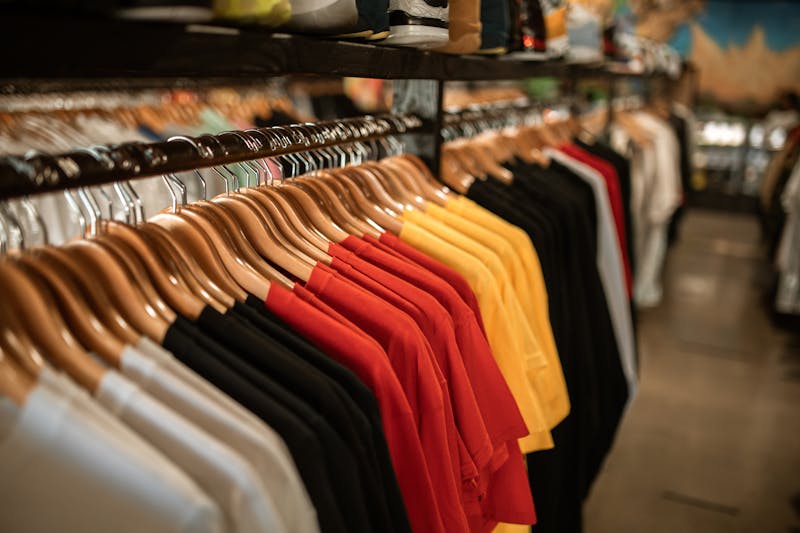
For years, the conversation around luxury resale has centered almost entirely on handbags. Chanel flap bags, Hermes Birkins, Louis Vuitton trunks — these are the headline items, the ones that drive auction records and attract media coverage. But underneath that spotlight, a quieter market has been developing: vintage designer clothing. Garments, shoes, and accessories from the right brands in the right condition are finding serious buyers, and the prices are increasingly hard to ignore.
The brands that consistently hold value in the clothing category follow a recognizable logic. Houses with strong heritage, limited production, and identifiable design codes perform best. Chanel suits and jackets from the Lagerfeld era — particularly pieces with the interlocking CC buttons and gilt chain trim — have a devoted collector base. Hermes silk scarves are perhaps the most liquid secondary-market item in all of fashion: authenticated, well-preserved scarves sell reliably and quickly. Vintage Gucci from the Tom Ford era, Versace from the 1990s, and early Yves Saint Laurent are all generating strong interest from collectors who came of age with those designs and now have the resources to acquire them.
Authentication is the central challenge in this market, and it is where buying from a reputable source matters most. Unlike handbags, which have well-established authentication protocols based on hardware, stitching, and serial numbers, vintage clothing authentication requires expertise in fabric, construction, labels, and era-appropriate details. Labels themselves are a primary indicator — the font, spelling, country of origin designation, and care instruction format all evolved over time, and counterfeiters frequently get them wrong. Interior construction details, the quality of buttonholes, and the composition of linings are additional tells that a trained eye will examine.
Condition expectations in the clothing market are more nuanced than in hard goods categories. Light wear is generally accepted — this is clothing, after all, and a vintage Chanel jacket that has been worn occasionally and properly cared for can be just as desirable as an unworn example. What buyers will not accept is significant fading, staining, moth damage, or alterations. Alterations are particularly penalizing: a garment that has been taken in, let out, or hemmed loses a portion of its value even when the work is skillfully done, because it compromises the original design. Original closures, buttons, and trim are important. Missing or replaced hardware on a jacket can reduce its appeal substantially.
Size is a practical factor that the handbag market never has to contend with. A vintage Chanel jacket in a size 36 will always attract fewer potential buyers than the same jacket in a size 40 or 42, simply because the pool of buyers who can wear it is smaller. This does not eliminate value — serious collectors sometimes acquire pieces they cannot wear as display items — but it is worth understanding when setting realistic expectations.
The growing market for pre-owned luxury fashion is being driven by several converging forces. Environmental awareness has pushed many consumers toward secondhand purchasing as a matter of principle. Younger buyers who grew up with resale platforms have normalized the practice in a way their parents’ generation did not. And as new luxury goods become increasingly expensive — Chanel has raised its prices dramatically in recent years — the vintage market represents access to the same aesthetic at a lower price point, with the added appeal of genuine heritage.
At Ageless Auctions, we encounter designer clothing regularly through estate acquisitions, particularly from the wardrobes of women who collected with intention over decades. These are not thrift store donations — they are carefully stored pieces from the better department stores of their era, often with original receipts and cleaning records. For buyers who know what they are looking at, our auctions offer consistent opportunities to acquire authenticated vintage fashion at prices that reflect the actual secondary market rather than retail markup.