Military Memorabilia: Collecting Medals, Uniforms, and History
Few collecting categories carry the historical and emotional weight of military memorabilia. These objects are not just artifacts — they are physical connections to the individuals who wore them, carried them, and in many cases gave their lives alongside them. That combination of historical significance and personal provenance makes military collecting one of the most meaningful pursuits in the entire antiques world.
World War II material remains the dominant segment of the market. American, German, British, and Japanese items from this period attract the deepest pool of collectors and command the strongest prices. Medals, uniforms, helmets, field equipment, personal effects, and documents all have their devoted audiences, and the range of material available — from common service ribbons to rare decoration sets — means there is a meaningful entry point at virtually every budget level.
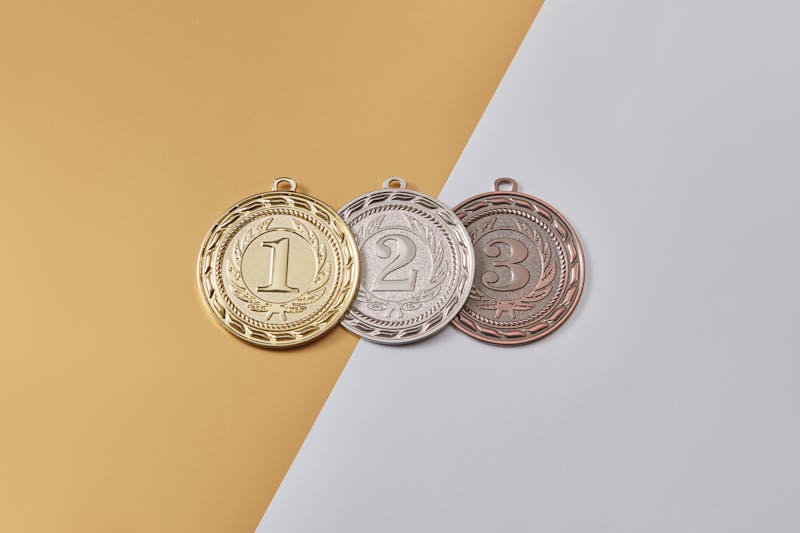
Medal identification is a skill that pays dividends for any collector. American medals follow a well-documented hierarchy, from the Medal of Honor at the top through the Distinguished Service Cross, Silver Star, Bronze Star, and service and campaign medals. Each medal has documented physical characteristics, period variations, and authorized ribbon configurations. Reference books, collector organizations, and online resources make identification accessible, but experience remains the best teacher. A medal that does not match its stated award or period is worth investigating before any purchase.
Condition is the defining variable in military memorabilia values. A Medal of Honor in excellent condition with its original neck ribbon, presentation case, and accompanying paperwork is worth dramatically more than the same medal with a replaced ribbon and no documentation. Uniforms should be evaluated for completeness — original buttons, insignia, and rank markings intact — as well as condition of the fabric. Moth damage, repairs, and replaced components all affect value. Honest condition grading separates serious sellers from those hoping buyers will not look closely.
Provenance — documented history of ownership and chain of custody — is uniquely important in military collecting. A medal accompanied by the recipient’s discharge papers, photographs, and a family history is far more valuable and far more interesting than the same medal offered without any context. When provenance connects a decoration to a specific action or campaign, collector and institutional interest intensifies significantly. Preserve whatever documentation comes with a piece, and seek out additional records through the National Archives or veterans’ organizations when possible.
Legal considerations apply to certain categories of military material. Nazi German items are legal to collect and sell in the United States but require careful handling given their sensitivity. Edged weapons including bayonets and swords are typically unrestricted but may be subject to state or local regulations. Certain types of military equipment — live ordnance, encrypted communications devices, and items classified as government property — cannot legally be privately owned. If you are uncertain about a specific item, consult the relevant regulations before purchasing or consigning.
Florida’s large population of veterans and their families makes the state a rich source of military memorabilia. We regularly acquire complete medal groups, uniforms, personal effects, and military documents through estate buyouts across the state. At Ageless Auctions, we catalog military material with care, photograph insignia and markings closely, and include whatever provenance documentation is available. For collectors and history enthusiasts alike, these auctions offer genuine opportunities to acquire meaningful pieces with real stories behind them.