Collecting GuideNovember 13, 2025

Coin Collecting 101: What Actually Sells at Auction
Coin Collecting 101: What Actually Sells at Auction

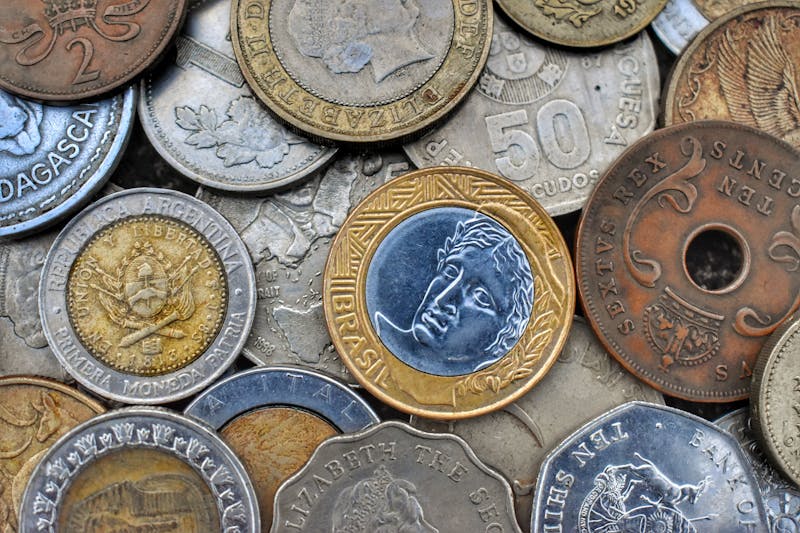
Walk into any estate sale and you will almost certainly find a coin collection. Some are meticulously assembled by knowledgeable collectors over decades. Others are shoeboxes of circulated change that someone’s grandfather saved without a coherent strategy. The difference between these two scenarios in auction results can be enormous, and understanding what actually drives coin values is the foundation of collecting intelligently.

Grading is the language of the coin market, and the two dominant professional grading services — NGC (Numismatic Guaranty Company) and PCGS (Professional Coin Grading Service) — are the standard references. Both services examine coins, assign a numerical grade on the Sheldon scale from 1 (Poor) to 70 (perfect Mint State), encapsulate the coin in a tamper-evident holder, and guarantee the grade and authenticity. A coin graded MS-65 by NGC or PCGS carries a level of market confidence that a raw coin — one that has not been professionally graded — simply cannot match. For significant coins, the premium paid for a graded example over a raw example of similar apparent quality is almost always worth it.

Key dates are where real value concentrates. Every coin series has dates and mint marks that were produced in low quantities, and these — the so-called key dates — command premiums that dwarf their common-date counterparts. The 1909-S VDB Lincoln cent, the 1916-D Mercury dime, the 1921 Peace dollar — these are household names in numismatics for a reason. Before assuming a coin is valuable because it is old, check the date and mint mark against a current price guide. A common date in a long-running series may be worth face value regardless of its age.

Silver content provides a floor value that makes certain coins straightforward to evaluate. Pre-1965 American dimes, quarters, and half dollars contain 90 percent silver, and their melt value fluctuates with the spot price of silver. At any given silver price, these coins are worth a minimum calculable amount regardless of numismatic premium. This “junk silver” category — common-date silver coins with no special numismatic premium — trades in volume and is easy to price. For beginners, understanding melt value creates a useful baseline: a coin is worth at least its metal content, and any numismatic premium is on top of that.

For beginners entering the auction market, a few practical principles apply. First, buy the coin, not the story. A coin in an old envelope with a handwritten note claiming it is rare means nothing without authentication and grading. Second, condition is everything in numismatics — a coin in MS-63 might be worth ten times more than the same date in EF-40. Third, focus before you diversify. Collectors who specialize in a single series or era develop expertise that makes them better buyers and sellers. Generalist collections of random coins rarely perform as well at auction as focused collections with depth in specific areas.

Common beginner mistakes include overpaying for cleaned coins. A coin that has been polished, harshly cleaned, or altered will receive a “genuine” or “cleaned” designation from grading services and will trade at a substantial discount to a naturally toned example. These coins look attractive to untrained eyes — shiny and well-preserved — but experienced collectors know that cleaning is essentially irreversible damage. Another frequent mistake is paying retail prices for common coins that have no realistic path to appreciation. Not every old coin is a good investment.

At Ageless Auctions, coin collections appear regularly in our estate sales, ranging from albums of circulated Lincolns to graded key-date rarities. We describe coins accurately, photograph them clearly, and present them without inflated claims. For buyers, our auctions offer a legitimate secondary market where coins can be acquired at fair prices based on actual bidder interest rather than fixed retail markups. For estate executors and collectors looking to sell, our Florida network consistently surfaces collections that deserve wider exposure than a local coin shop can provide.


More Stories

Vintage Watches: What to Look for at Auction
Collecting GuideMarch 20, 2026

Vintage Watches: What to Look for at Auction

A mechanical watch from the right maker can be worth ten times more than a quartz piece from the same era. Knowing what separates the valuable from the ordinary can make or break your bid.

Sterling Silver: From Flatware to Collectible
Collecting GuideMarch 13, 2026

Sterling Silver: From Flatware to Collectible

Sterling silver shows up in nearly every estate auction, and most buyers have no idea what they are looking at. Understanding hallmarks, weight value, and pattern premiums changes how you bid.

Unlicensed Auctions Are Everywhere — Here’s What Buyers and Sellers Should Know
Industry InsightsMarch 6, 2026

Unlicensed Auctions Are Everywhere — Here’s What Buyers and Sellers Should Know

Not every auction is a legal one. In Florida and across the country, unlicensed operators are running estate sales and auctions without the credentials required by law. Here’s why that matters and how to protect yourself.

Sports Cards Are Back: What’s Driving the 2026 Market
Market InsightsFebruary 12, 2026

Sports Cards Are Back: What’s Driving the 2026 Market

From graded rookies to signed jerseys, sports collectibles are having a moment. We break down what’s hot, what’s holding value, and where smart collectors are looking right now.

Why Designer Bags Hold Their Value Better Than Almost Anything
Collecting GuideFebruary 5, 2026

Why Designer Bags Hold Their Value Better Than Almost Anything

Luxury handbags have quietly become one of the smartest investments in the collectibles market. Here is what makes them hold — and even gain — value over time, and what to look for when buying.

Collecting Art Glass: A Beginner’s Guide to Murano and Beyond
Collecting GuideJanuary 28, 2026

Collecting Art Glass: A Beginner’s Guide to Murano and Beyond

Art glass is one of the most rewarding — and accessible — categories for new collectors. Here’s what to look for, how to spot quality, and why Murano keeps commanding attention.

Mid-Century Modern Furniture: Why It Dominates Auction Results
Collecting GuideJanuary 21, 2026

Mid-Century Modern Furniture: Why It Dominates Auction Results

Mid-century modern has been “trending” for two decades and shows no signs of stopping. Here is why the best pieces keep climbing, what to look for, and what the auction floor actually looks like.

Collecting Vintage Toys: What’s Actually Worth Money in 2026
Collecting GuideJanuary 14, 2026

Collecting Vintage Toys: What’s Actually Worth Money in 2026

Not every childhood toy is a hidden treasure, but some are worth far more than anyone expects. Here is what serious collectors are chasing in 2026, and why condition and packaging change everything.

Vinyl Records: Separating the Valuable from the Common
Collecting GuideJanuary 7, 2026

Vinyl Records: Separating the Valuable from the Common

Most vinyl records are worth a dollar or two at a garage sale. A small percentage are worth hundreds or thousands. Knowing the difference comes down to pressing, condition, and genre — and it is learnable.

Why Estate Auctions Beat Retail for Luxury Goods
Market InsightsDecember 18, 2025

Why Estate Auctions Beat Retail for Luxury Goods

Retail is not the only — or even the best — way to acquire luxury goods. Estate auctions offer authenticated designer pieces at below-retail prices, with a depth of inventory no single boutique can match. Here’s why the secondary market has become the smart buyer’s first stop.

The Rise of Video Game Collecting
Market InsightsDecember 11, 2025

The Rise of Video Game Collecting

Retro gaming has grown from a niche hobby into a serious collectibles market, with sealed games and rare cartridges commanding prices that rival vintage sports cards. Here’s what is driving the boom and what turns up in Florida estates.

Fine Jewelry Authentication: What Every Buyer Should Know
Industry InsightsDecember 4, 2025

Fine Jewelry Authentication: What Every Buyer Should Know

Buying fine jewelry without understanding authentication basics is a gamble no buyer needs to take. From hallmarks and karat stamps to gemstone certification, here is what to look for — and why licensed auction houses offer stronger protections than private sales.

Military Memorabilia: Collecting Medals, Uniforms, and History
Collecting GuideNovember 20, 2025

Military Memorabilia: Collecting Medals, Uniforms, and History

Military memorabilia connects collectors to some of the most significant events in modern history. From World War II medals to service uniforms and field equipment, here is what serious collectors know — and what turns up in Florida estates.

How Online Auctions Actually Work
Auction GuideNovember 6, 2025

How Online Auctions Actually Work

Online auctions have opened up the world of estate buying to anyone with a phone or laptop — but the mechanics are different from what most people expect. Here’s a clear breakdown of how timed auctions work, what a soft close means, and how to bid smart from day one.

First-Time Bidder? Here’s Everything You Need to Know
Auction GuideOctober 30, 2025

First-Time Bidder? Here’s Everything You Need to Know

Bidding at an online auction for the first time is easier than it looks — but there are a handful of things that trip up nearly every new buyer. This guide covers everything from registration to pickup so you know exactly what to expect.

How to Ship Fragile Auction Wins Safely
Auction GuideOctober 23, 2025

How to Ship Fragile Auction Wins Safely

Winning a beautiful piece of glass, porcelain, or framed art at auction is only half the battle. Getting it home in one piece requires the right materials, the right carrier, and a packing approach designed for worst-case handling. Here’s what actually works.

Estate Cleanouts: What to Keep, Sell, or Donate
Industry InsightsOctober 16, 2025

Estate Cleanouts: What to Keep, Sell, or Donate

Walking into a home full of a lifetime’s worth of belongings is overwhelming. Knowing how to quickly assess what has real value, what belongs at a thrift store, and what should stay in the family makes the entire process faster and more rewarding.

What Happens After You Win: Auction Payment and Pickup Explained
Auction GuideOctober 9, 2025

What Happens After You Win: Auction Payment and Pickup Explained

Winning a lot is the exciting part. What comes next — invoices, payment deadlines, pickup windows, and shipping arrangements — is where the transaction actually gets completed. Here is exactly what to expect.

Antique Porcelain and China: Hidden Value in Your Cabinet
Collecting GuideOctober 2, 2025

Antique Porcelain and China: Hidden Value in Your Cabinet

That china cabinet collecting dust in the dining room may hold more than memories. From Limoges to Meissen, antique porcelain and china remain one of the most consistently underestimated categories in the estate market — if you know what to look for.

Designer Clothing at Auction: Beyond the Handbag
Market InsightsSeptember 25, 2025

Designer Clothing at Auction: Beyond the Handbag

Luxury handbags get most of the attention, but the market for vintage designer clothing is growing fast. Knowing which brands hold value, what authentication looks like, and what condition buyers expect can make the difference between a disappointing result and a genuine windfall.

Book Collecting: First Editions and Signed Copies
Collecting GuideSeptember 18, 2025

Book Collecting: First Editions and Signed Copies

A first edition in a fine dust jacket can be worth hundreds of times more than a later printing of the same title. Understanding how to identify what you have — and what condition means in the book world — is the foundation of smart book collecting.

Cast Iron, Copper, and Kitchen Collectibles Worth Real Money
Collecting GuideSeptember 11, 2025

Cast Iron, Copper, and Kitchen Collectibles Worth Real Money

The kitchen is one of the most overlooked rooms in an estate. Griswold and Wagner cast iron, antique copper cookware, vintage Pyrex, and decorated enamelware have all built serious collector followings — and the prices reflect it.

Why Smart Buyers Are Choosing Auctions Over Thrift Stores
Market InsightsSeptember 4, 2025

Why Smart Buyers Are Choosing Auctions Over Thrift Stores

Thrift stores get the foot traffic, but serious buyers are increasingly turning to online auctions. Authentication, condition transparency, competitive pricing, and a dramatically wider selection are changing how people think about secondhand buying.

Get Auction Alerts

Be the first to know when our next auction goes live. We’ll send you a heads-up with the date, catalog preview, and registration link — nothing more.

We respect your privacy. Unsubscribe anytime.