Collecting Vintage Toys: What’s Actually Worth Money in 2026
The vintage toy market has matured considerably over the past decade. What was once a hobbyist niche driven by pure nostalgia has evolved into a sophisticated collecting category with its own grading standards, authentication services, and institutional buyers. Auction records in the toy category have climbed steadily, and the most significant sales now rival fine art and jewelry for headline numbers. Understanding which toys carry real value in 2026 — and why — requires looking past the obvious names to understand what the market actually rewards.
Action figures are the most actively traded segment of the vintage toy market, and the dominant force within that segment is Star Wars. Original Kenner Star Wars figures from 1977 through the early 1980s remain among the most desirable toys in the world, particularly in unopened, unpunched original packaging. A carded first-run figure in excellent condition can bring thousands of dollars; the most sought-after variants and early production runs have sold for six figures at major auction houses. G.I. Joe, He-Man, and Transformers figures from the 1980s have their own passionate collector communities, with certain rare variants and color changes commanding significant premiums. The key across all action figure collecting is the same: original packaging changes the value equation entirely.
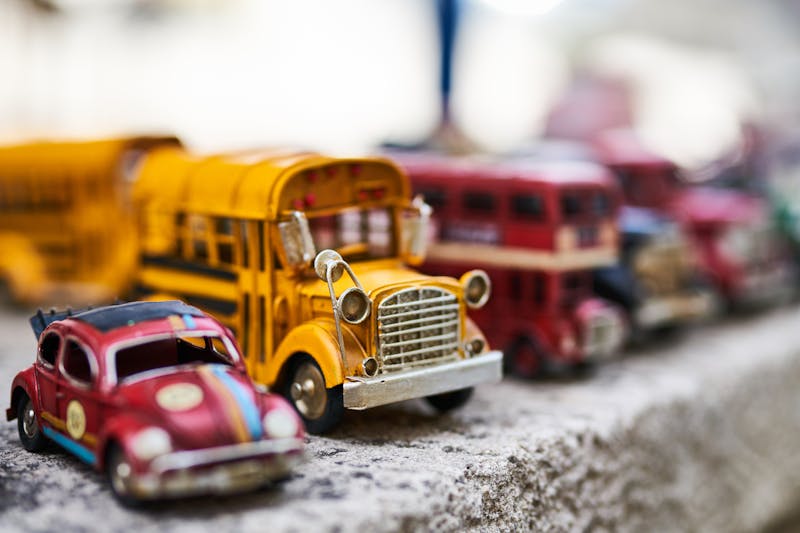
Tin toys from the postwar period — roughly 1945 through the 1960s — occupy a different but equally serious corner of the market. Japanese tin toys from makers like Alps, Bandai, and Nomura are prized for their mechanical complexity, vivid lithography, and the quality of craftsmanship that went into them. Space-themed tin toys from the late 1950s and early 1960s, riding the wave of Sputnik-era enthusiasm, are particularly desirable. German tin toys from the pre-war and interwar periods represent an earlier tradition with its own collector base. These pieces are genuinely fragile — tin lithography scratches and chips easily, and mechanical mechanisms can fail — so condition is everything. A tin toy with crisp, unfaded lithography and working mechanism is worth multiples of a played-with example in poor condition.
Vintage board games occupy a more complicated position in the market. The most collectible games tend to be either very early examples of games that became cultural institutions, or games tied to specific cultural moments that resonate with collectors. Early editions of Monopoly, Scrabble, and Clue in original condition have devoted buyers. Games featuring licensed characters from television, film, or comics from the 1950s through 1970s can carry significant premiums if the box art is vivid and the components are complete. The challenge with board games is that completeness matters enormously — a game missing pieces or instructions is worth a fraction of a complete example, because most buyers want something they can actually use or display intact.
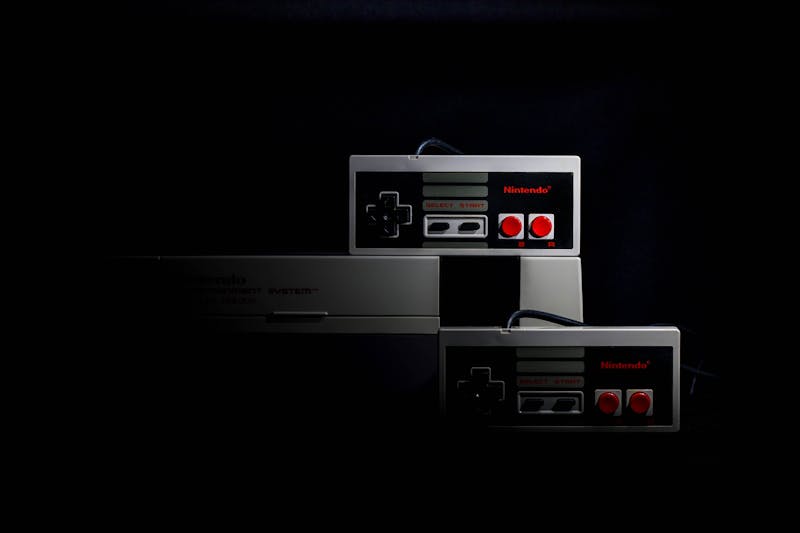
Certain decades within the vintage toy market are running notably hotter than others in 2026. Toys from the 1980s have moved from nostalgia into genuine collectibility as the generation that grew up with them reaches peak earning years. Original My Little Pony, Care Bears, Cabbage Patch Kids, and Nintendo-era video game cartridges are all seeing sustained demand. The 1950s and 1960s remain the most stable blue-chip era, with demand driven by a combination of historical significance and genuine scarcity. The 1990s are just beginning to see serious collector interest, particularly for Pokemon cards, Beanie Babies with specific tag variations, and early video game hardware. The 1970s are perhaps the most underappreciated decade in the market right now, with prices that have not fully caught up to desirability.
Condition grading has professionalized significantly in the toy category. Companies like AFA (Action Figure Authority) and CAS (Collectible Autograph Authentication) now grade carded figures and boxed toys using a numerical scale similar to coin or card grading, encasing the best examples in protective cases. An AFA-graded figure commands a substantial premium over a raw example of the same toy in equivalent condition, both because the grade provides a standardized assessment and because the case protects the item from further deterioration. For the most significant purchases, professional grading has become the standard rather than the exception.
At Ageless Auctions, vintage toys surface regularly from Florida estate collections and storage unit buyouts. Florida’s warm, dry climate has preserved many pieces in remarkable condition, and we frequently encounter toys that have spent decades in closets or garages without the humidity damage that affects collections in other regions. We catalog toys with condition specificity, note whether original packaging is present, and photograph items from multiple angles so online bidders can evaluate accurately before they bid.