The Rise of Video Game Collecting
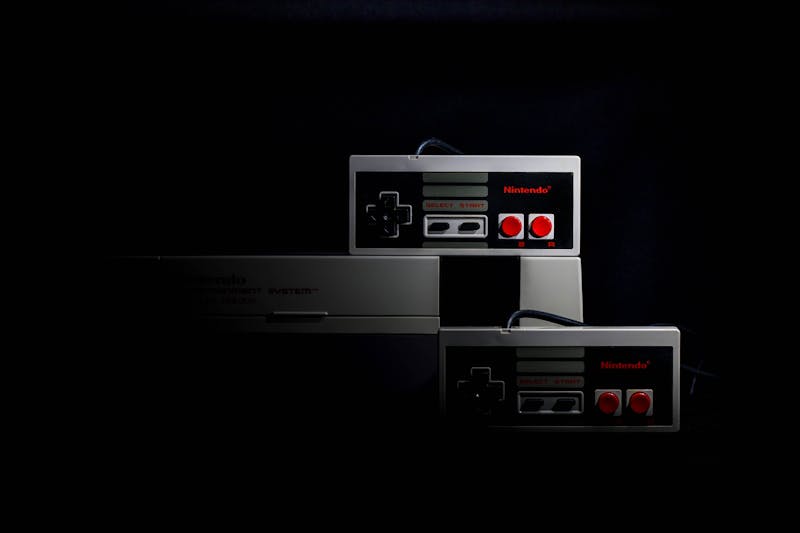
Not long ago, a sealed copy of a Nintendo Entertainment System game sitting in a garage was just old clutter. Today, it might be worth more than a used car. The video game collecting market has undergone one of the most dramatic transformations in the collectibles world over the past decade, and the growth shows no signs of reversing.
The core driver is nostalgia meeting scarcity. The generation that grew up with the NES, Super Nintendo, Sega Genesis, and early PlayStation systems is now in its thirties and forties, financially established, and willing to spend real money reconnecting with the games of their childhood. At the same time, sealed or mint-condition examples of those games are genuinely rare — most copies were opened and played, and sealed examples that survived decades in storage are the exception, not the rule.
The distinction between sealed and loose (cartridge or disc only, without box or manual) is enormous in this market. A loose cartridge of a common title might sell for a few dollars. A complete-in-box copy — with the original packaging, manual, and inserts — commands a significant premium. A factory-sealed copy of the same title, particularly in high grade, can be worth many times more again. Condition at every level of completeness is what separates a commodity from a collectible.
Grading services have professionalized the market considerably. WATA Games and VGA (Video Game Authority) both assign numerical grades to sealed and complete games, authenticating the seal and evaluating box and cartridge condition. A WATA 9.4 A+ grade on a desirable title means something specific and verifiable, and it has enabled the kind of institutional collector confidence that transformed the sports card market. Record auction results for graded games — including several that have sold for six figures — have drawn mainstream attention to the category.
Which platforms and titles are commanding the most attention? Nintendo hardware and software lead the market almost universally, from NES and SNES through Nintendo 64 and early Game Boy. Certain titles with low print runs, regional exclusives, or historical significance consistently appear at the top of auction results. Atari, Sega, and early PlayStation titles have their own devoted collector bases, and prices for top specimens have risen substantially. The rule of thumb is simple: rarity plus condition plus platform desirability equals value.
Florida estates are a surprisingly productive source for video game collections. The state has a large population of Baby Boomers and Gen Xers who purchased these games for their children in the 1980s and 1990s, and those items often sat in closets, attics, and storage units untouched for decades. We regularly encounter sealed or near-sealed games, complete boxed collections, and even original retail display materials in estate acquisitions across the state.
At Ageless Auctions, we catalog and sell video games and gaming hardware as part of our broader collectibles offerings. If you are a collector, our auctions are worth watching regularly — Florida estates continue to surface genuinely rare material, and our bidding platform makes it easy to participate from anywhere in the country.