Vinyl Records: Separating the Valuable from the Common
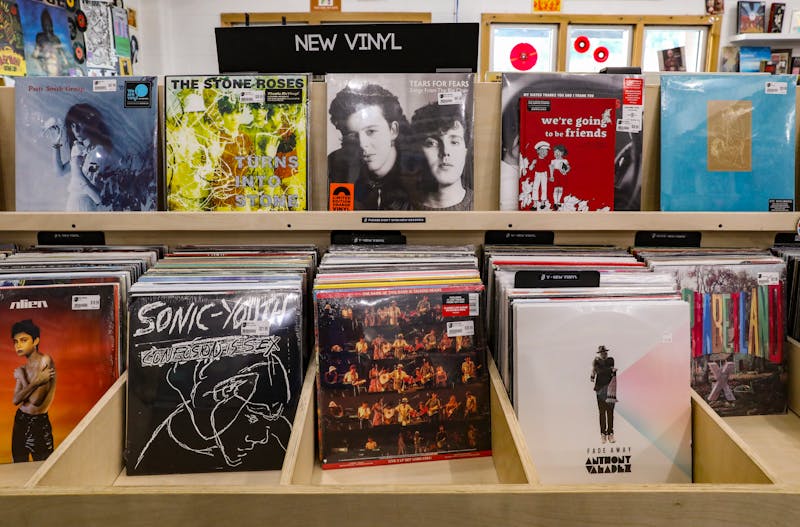
Vinyl records are one of the most misunderstood categories in estate sales and auctions. Walk into any estate and you will likely find a crate of albums. Most of those albums are worth very little — common pressings of popular records that survive in enormous quantities and have modest collector demand. But scattered through that same crate might be a first pressing with significant value, a promotional copy that never saw retail distribution, or a regional release that almost no one knows to look for. The difference between a $2 record and a $200 record can be invisible to the untrained eye. Learning to read the difference is what separates collectors who find real value from those who leave it behind.
The single most important factor in record valuation is the pressing. A first pressing — the initial production run manufactured close to a record’s original release date, in the country of origin — is almost always worth more than later pressings of the same album, sometimes dramatically so. First pressings are identified through a combination of label details, matrix numbers (the alphanumeric codes stamped into the dead wax near the label), and catalog numbers that correspond to specific production periods. For major albums, entire books and databases have been written documenting the distinguishing features of first pressings. The Discogs database is the single most useful free resource for this research — it catalogs millions of pressings with user-contributed photos and tracks actual sales prices, making it the closest thing the vinyl market has to a real-time price guide.
Condition grading in the vinyl world uses a standardized scale that runs from Poor (P) through Fair (F), Good (G and G+), Very Good (VG and VG+), Near Mint (NM), and Mint (M). Critically, the grade applies separately to the record itself and to the sleeve or jacket. A VG+ record in a G jacket is a different purchase than a VG+ record in a VG+ jacket, and the price should reflect both. The most important grades for value are VG+ and above on the record — anything below VG+ will have audible surface noise that most collectors find unacceptable for serious listening or display. Near Mint and Mint records command significant premiums and are the standard for the most serious collectors and the highest-value lots.
Genre has a profound effect on which records carry collector premiums. Jazz — particularly original Blue Note, Prestige, Riverside, and Impulse pressings from the 1950s through mid-1960s — sits at the top of the vinyl value hierarchy. Original Blue Note pressings with the correct label variants can sell for hundreds or thousands of dollars for a single album. Soul and funk 45s, particularly regional pressings on small independent labels, have seen extraordinary appreciation and are among the most actively hunted categories in the hobby. Classic rock first pressings carry broad name recognition and consistent demand. Punk and post-punk records from the late 1970s and early 1980s, particularly on independent labels with small initial pressings, are another area of strong and growing collector interest. Classical and easy listening records, by contrast, survive in enormous quantities and carry almost no collector premium regardless of age.
Several factors beyond pressing and condition contribute to a record’s value. Promotional copies — records stamped or stickered “not for sale” and distributed to radio stations and press — are often earlier pressings than retail copies and command a premium from collectors who want the earliest possible version. Colored vinyl, picture discs, and gatefold jackets with original inserts, posters, or lyric sheets intact all add value. Signed copies, where the authenticity is credibly established, can carry significant premiums depending on the artist. Sealed copies — records still in their original shrink wrap, never opened — are among the most coveted lots for collectors, though the value only holds if the seal is genuinely original and not a re-seal.
One of the most persistent misconceptions in the vinyl market is that age equals value. It does not. Records from the 1950s are not inherently more valuable than records from the 1970s or 1980s. What matters is the combination of pressing rarity, condition, and demand from an active collector base. A common 1950s big band album in worn condition is worth next to nothing. A 1983 pressing of an early Metallica album on Megaforce Records in excellent condition can be worth hundreds of dollars. The question is never “How old is it?” The question is “Is this pressing rare? Is this genre collected? And is this copy in the condition collectors require?”
At Ageless Auctions, vinyl records surface frequently in estate lots, often in collections that have been carefully stored and rarely played. Florida’s retiree population includes many serious music enthusiasts who built substantial collections over decades, and we regularly encounter albums that reward close attention. We photograph labels and dead wax when time permits for significant lots, and we catalog records with enough condition specificity that buyers can bid with confidence from anywhere in the country.