Vintage Watches: What to Look for at Auction
Vintage watches are among the most consistently sought-after items in the estate auction world. They are small enough to transport easily, durable enough to survive decades of storage, and valuable enough to attract serious buyers from across the country. But the category is also full of pitfalls for the uninformed bidder. The gap between a watch worth a few hundred dollars and one worth several thousand often comes down to a handful of factors that are easy to miss if you do not know what to look for.
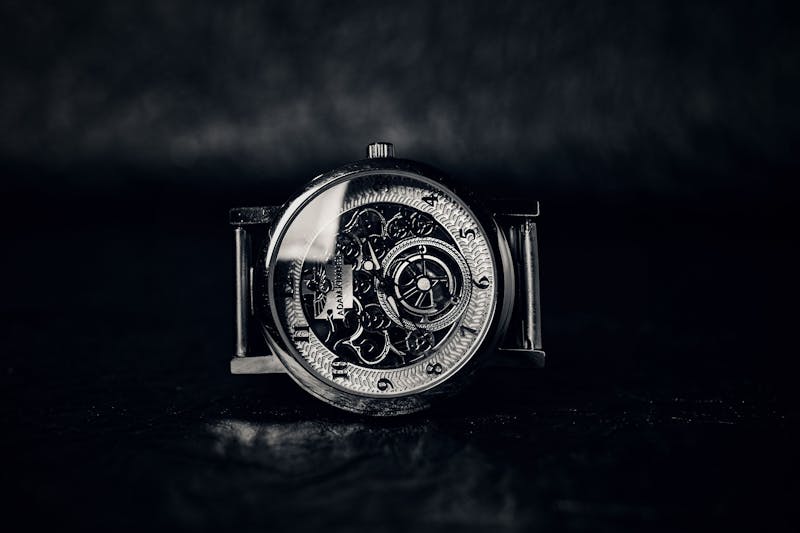
The first distinction every collector needs to understand is mechanical versus quartz. Mechanical watches — both manual-wind and automatic — predate the quartz revolution of the 1970s and are generally prized by collectors for their craftsmanship and heritage. Quartz movements, which use a battery-powered oscillator, were introduced as a technological advancement but are now considered less desirable by most serious watch collectors. A mechanical piece from a respected maker will almost always command a higher price than a quartz piece from the same brand and era, even if the quartz watch looks more impressive on paper.
Brand hierarchy matters enormously in this market. At the top of the ladder sit Swiss manufacturers like Rolex, Patek Philippe, Audemàrs Piguet, and Vacheron Constantin — names whose vintage pieces routinely command five, six, and even seven figures at major auction houses. One tier below are respected makers like Omega, Jaeger-LeCoultre, Longines, and IWC, whose vintage watches are actively collected and have shown strong appreciation over the past decade. American brands like Hamilton, Elgin, and Illinois have their own devoted following, particularly for railroad-grade pocket watches and early wristwatches. Japanese brands like Seiko have a passionate collector community centered around specific vintage models. Knowing where a brand sits in the hierarchy — and which specific models within that brand are most desirable — is the foundation of buying well.
Condition is critical but nuanced. Unlike coins or cards, where a single grade captures overall condition, watches must be evaluated across multiple dimensions: the case, the dial, the crystal, the movement, and the bracelet or strap. A watch with an untouched original dial — even if it shows some age — is almost always preferable to one that has been redone. Refinished dials, relumed hands, and polished cases all reduce collector value significantly, even if they make a piece look cleaner. The term “original patina” is not just collector jargon — it reflects the real premium the market places on watches that have aged honestly rather than been cosmetically restored.
Box and papers — the original packaging and documentation that came with a watch — can add ten to fifty percent or more to the value of a piece, depending on the brand and model. A complete set consisting of the original box, hang tags, warranty card, and any accompanying literature is called “full set” or “complete set,” and these pieces attract the strongest prices at auction. Even a partial set — just the box, or just the papers — adds meaningful value. When buying at estate auction, it is always worth asking whether additional documentation was found with a lot, as original packaging is sometimes cataloged separately or set aside.
Certain categories within vintage watches have shown particularly strong results at estate auctions. Military watches — pieces issued to or associated with armed forces from the mid-twentieth century — carry a historical premium that transcends brand hierarchy. Dive watches from the 1950s through 1970s remain among the most actively bid categories in the entire hobby. Dress watches from the Art Deco period, especially in platinum or yellow gold with enamel dials, attract buyers who are as interested in wearable jewelry as they are in horology. Pocket watches from the late nineteenth and early twentieth century, while less fashionable today than wristwatches, surface frequently in Florida estate collections and can carry significant value when they bear the right markings.
At Ageless Auctions, watches are among the categories we catalog most carefully. We photograph movements when cases can be safely opened, note any service history we can document, and describe condition details with the level of specificity that watch collectors require. Florida estates regularly yield interesting timepieces — from everyday dress watches to genuinely rare finds — and we treat every piece as worthy of a proper evaluation before it goes to auction.