Collecting Art Glass: A Beginner’s Guide to Murano and Beyond
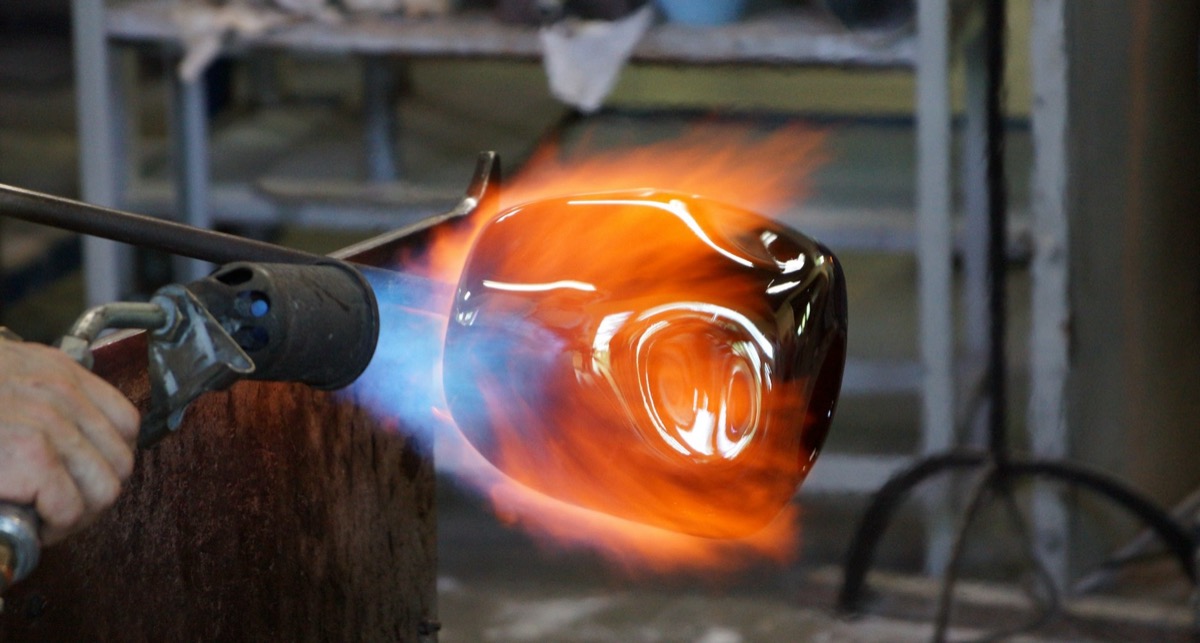
Art glass occupies a unique place in the collectibles world. It is functional, decorative, and deeply rooted in centuries of craftsmanship — yet it remains one of the most accessible categories for new collectors. You do not need a massive budget to start building a meaningful collection, and the learning curve, while real, is part of what makes the hobby so rewarding.
For most collectors, Murano glass is the entry point. Produced on the Venetian island of Murano since the thirteenth century, this glass is renowned for its vivid colors, innovative techniques, and artistic range. From sommerso vases with their layered bands of color to delicate millefiori bowls and whimsical figurines, Murano glass offers something for every taste and budget.
When evaluating a piece of Murano glass, look for a few key indicators of quality. First, check for a signature or label on the base. Signed pieces by recognized masters or factories generally command higher prices and are easier to authenticate. Second, examine the glass for consistency of color and form — skilled glassblowers produce pieces with even walls and smooth transitions between colors. Third, hold the piece up to light: quality Murano glass has a depth and clarity that distinguishes it from mass-produced imitations.
Beyond Murano, the art glass world is vast. Scandinavian glass from the mid-twentieth century — particularly pieces from Swedish and Finnish factories — has a devoted following and a clean, modern aesthetic that pairs well with contemporary interiors. French crystal houses produce exquisite pieces that bridge the gap between decorative art and functional luxury.
American studio glass from the 1960s onward represents another exciting area. The studio glass movement produced one-of-a-kind works by individual artists, many of whom are now represented in major museum collections. Prices for top studio glass artists have risen steadily, but there are still opportunities to acquire interesting pieces at auction for reasonable prices.
One of the great advantages of collecting art glass is that it looks spectacular on display. Unlike coins or cards that spend most of their time in holders or safes, glass is meant to be seen. A well-curated shelf of art glass can transform a room, and the interplay of light and color is endlessly enjoyable.
At Ageless Auctions, we regularly feature art glass from estate collections across Florida. The state’s long history as a destination for retirees and snowbirds means that many homes contain beautiful glass pieces acquired over decades of collecting. We are always excited when we open a cabinet and find signed Murano, quality crystal, or unexpected studio pieces waiting to find their next home.