Collecting GuideMay 8, 2026

Costume Jewelry: Bakelite, Trifari, and the Vintage Premium

Costume Jewelry: Bakelite, Trifari, and the Vintage Premium

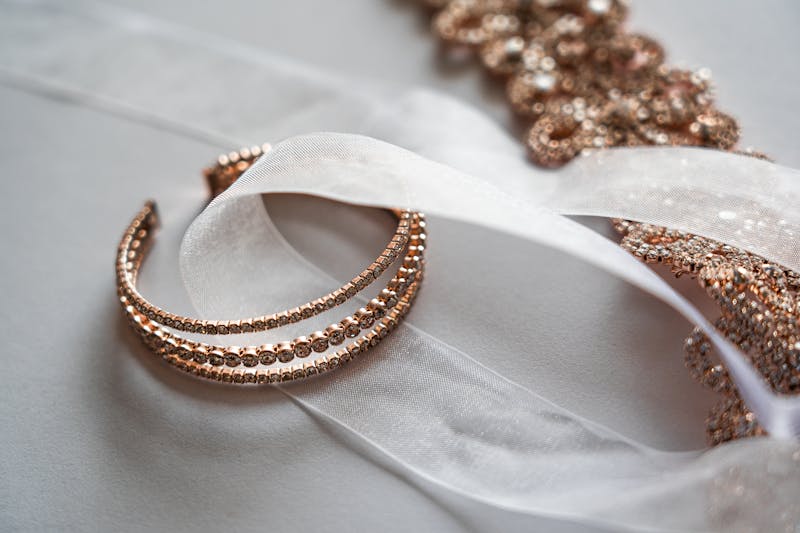
The term “costume jewelry” was originally an industry designation rather than a dismissal. It described jewelry made from non-precious metals, glass, resin, and synthetic stones — pieces designed to complement a specific outfit or season rather than to serve as a lasting precious-metal investment. But the best costume jewelry was never cheap in its ambition. The American designer houses of the mid-twentieth century hired trained sculptors, gemologists, and metalworkers, and the pieces they produced carry genuine historical and aesthetic significance that the secondary market now reflects in prices that routinely surprise uninformed sellers and estate executors. Understanding what separates signed collectible pieces from anonymous fashion junk is the foundation of buying and selling this category intelligently, whether you are evaluating a single brooch or sorting through a five-decade jewelry box.

Bakelite is the category’s most recognizable blue chip. An early thermoplastic resin developed in 1907 and produced widely through the 1940s, Bakelite takes color brilliantly and was used for everything from radio casings to jewelry. Collectors prize it for exactly those saturated hues — cherry red, butterscotch, apple green, deep cobalt — and for the carved and laminated designs that no later plastic fully replicated. The definitive field tests involve either touching a warm pin briefly to an inconspicuous surface (Bakelite produces a faintly chemical odor, distinct from later celluloid or Lucite) or rubbing the piece vigorously and smelling for the same response. Simichrome metal polish on a cotton ball will turn yellow on Bakelite, a reliable secondary confirmation. Carved bangles, figural pins, and laminated pieces in multiple colors command the strongest prices — exceptional carved examples have crossed a thousand dollars at auction, and even common bangles in clean condition hold real value.

The American designer houses of the postwar era represent a different tier of the market. Trifari, founded in New York in 1910 and reaching its peak creative output in the 1930s through 1960s, is the name most collectors encounter first. Its figural brooches — particularly the jelly belly series, in which a carved Lucite or glass belly gives an animal figure dimensional form — are among the most actively traded pieces in signed American costume. Eisenberg, whose early sterling and rhodium-plated pieces are often mistaken for fine jewelry on casual inspection, commands strong prices particularly for pre-war examples. Miriam Haskell built a following for handmade Russian gold-plated pieces featuring baroque seed pearls and beads hand-wired with a texture no machine production could replicate. Coro and its upscale line Corocraft produced enormous volume, which means common pieces are inexpensive, but the best examples — duette brooches that separate into two dress clips, sterling vermeil wartime pieces — carry real premiums. What these houses share is consistent hallmarking: their signatures appear on the back of almost every piece.

Mexican silver costume occupies its own specialized corner of the market and is among the most frequently miscataloged categories in estate jewelry. Taxco, the silver-working town in Guerrero state that became a center of artist-jeweler production from the 1930s onward, produced signed work by designer-craftspeople whose reputations have grown substantially in the secondary market. William Spratling, the American architect who founded the Taxco silver movement, is the category’s most recognized name — early Spratling pieces command prices that put them firmly in fine-jewelry territory by any practical measure. Margot de Taxco, who produced enamel-on-silver work in distinctive organic forms, has her own devoted following. Los Castillo, Matilde Poulat (known as Matl), and Antonio Pineda are other names worth knowing before you encounter them. Estate pieces marked only with an eagle assay mark and a purity number without a designer signature may still be excellent-quality silver but will sell closer to melt value than signed pieces, which can reach five to ten times their metal content when the right buyer is in the room.

Condition is consequential in costume jewelry but the rules differ meaningfully from fine jewelry. Rhinestone replacement is a known and generally accepted practice among collectors — replacing a single missing stone with a correct period match affects value far less than leaving a visible gap in an otherwise excellent piece. The question is whether the replacement stone is visually correct and the setting work was carefully done. Missing stones that have not been addressed, broken pin mechanisms, heavy plating loss on gold-tone settings, and verdigris on base metal components are more damaging than a careful replacement. For Bakelite specifically, chips and cracks reduce value sharply because the material cannot be repaired invisibly. Celluloid — an earlier plastic sometimes confused with Bakelite — is far less stable and tends to yellow, shrink, and become brittle with age, so condition problems in celluloid pieces are usually irreversible.

At Ageless Auctions, costume jewelry is among the most reliably interesting categories in Florida estate lots. Multi-generational jewelry boxes are a staple of the estates we acquire — a grandmother’s collection accumulated over five decades often contains unsigned fashion pieces alongside signed Trifari, Haskell, or Eisenberg, all commingled in the same box with no obvious order. We photograph hallmarks on signed pieces as a standard cataloging step, separate signed from unsigned in our lot descriptions, and do not bundle high-quality signed costume with anonymous pieces when the value difference warrants separate presentation. For buyers who know the makers, our auctions consistently surface pieces that reward close attention to the catalog before bidding opens. If fine jewelry is also in your range, our post on fine jewelry authentication covers how we handle precious-metal and gemstone pieces alongside costume lots.


More Stories

Lalique, Wedgwood, and the European Decorative Arts at American Auction
Collecting GuideJune 5, 2026

Lalique, Wedgwood, and the European Decorative Arts at American Auction

A genuine R. Lalique vase signed before 1945 can bring twenty times its post-war counterpart. Wedgwood Jasperware sits on shelves in nearly every estate but only certain pieces hold premium value. The marks tell the whole story.

Summer Estate Season: What Comes to Market and Why
Industry InsightsMay 29, 2026

Summer Estate Season: What Comes to Market and Why

Estate auction inventory has seasons. Florida summers, in particular, surface categories you won't see in November — and the bidder competition often thins out at exactly the wrong time for sellers and the right time for buyers.

Sports Memorabilia Beyond Cards: Jerseys, Bats, and Signed Equipment
Market InsightsMay 22, 2026

Sports Memorabilia Beyond Cards: Jerseys, Bats, and Signed Equipment

The card market gets the headlines, but jerseys, bats, balls, and signed equipment have quietly become the strongest-growing slice of sports collecting. Authentication is the entire ballgame.

Vintage Advertising Signs: Porcelain, Tin, and the Americana Premium
Collecting GuideMay 1, 2026

Vintage Advertising Signs: Porcelain, Tin, and the Americana Premium

A single porcelain gas-station sign can sell for more than an entire estate’s furniture. Vintage advertising has become one of the strongest categories in Americana — and one of the most heavily faked.

Vintage Cameras: From Leica to Polaroid, What’s Collectible Now
Collecting GuideApril 17, 2026

Vintage Cameras: From Leica to Polaroid, What’s Collectible Now

Film cameras were left behind by the digital revolution, then rediscovered as collectibles and as working tools. The right Leica or Hasselblad outperforms most stock portfolios over a decade.

Roseville, McCoy, and Hull: Reading American Art Pottery at Auction
Collecting GuideApril 10, 2026

Roseville, McCoy, and Hull: Reading American Art Pottery at Auction

Three names dominate American art pottery in the secondary market — Roseville, McCoy, and Hull. The shape and glaze tell you the maker; the marks tell you whether you're holding the real thing or a 1990s reproduction.

Tiffany Studios and the Lasting Value of American Art Glass Lamps
Collecting GuideMarch 27, 2026

Tiffany Studios and the Lasting Value of American Art Glass Lamps

A genuine Tiffany Studios lamp can bring six figures at auction, but reproductions and contemporaneous competitors fill estates by the thousand. Knowing the difference is the entire game.

Vintage Watches: What to Look for at Auction
Collecting GuideMarch 20, 2026

Vintage Watches: What to Look for at Auction

A mechanical watch from the right maker can be worth ten times more than a quartz piece from the same era. Knowing what separates the valuable from the ordinary can make or break your bid.

Sterling Silver: From Flatware to Collectible
Collecting GuideMarch 13, 2026

Sterling Silver: From Flatware to Collectible

Sterling silver shows up in nearly every estate auction, and most buyers have no idea what they are looking at. Understanding hallmarks, weight value, and pattern premiums changes how you bid.

Unlicensed Auctions Are Everywhere — Here’s What Buyers and Sellers Should Know
Industry InsightsMarch 6, 2026

Unlicensed Auctions Are Everywhere — Here’s What Buyers and Sellers Should Know

Not every auction is a legal one. In Florida and across the country, unlicensed operators are running estate sales and auctions without the credentials required by law. Here’s why that matters and how to protect yourself.

Sports Cards Are Back: What’s Driving the 2026 Market
Market InsightsFebruary 12, 2026

Sports Cards Are Back: What’s Driving the 2026 Market

From graded rookies to signed jerseys, sports collectibles are having a moment. We break down what’s hot, what’s holding value, and where smart collectors are looking right now.

Why Designer Bags Hold Their Value Better Than Almost Anything
Collecting GuideFebruary 5, 2026

Why Designer Bags Hold Their Value Better Than Almost Anything

Luxury handbags have quietly become one of the smartest investments in the collectibles market. Here is what makes them hold — and even gain — value over time, and what to look for when buying.

Collecting Art Glass: A Beginner’s Guide to Murano and Beyond
Collecting GuideJanuary 28, 2026

Collecting Art Glass: A Beginner’s Guide to Murano and Beyond

Art glass is one of the most rewarding — and accessible — categories for new collectors. Here’s what to look for, how to spot quality, and why Murano keeps commanding attention.

Mid-Century Modern Furniture: Why It Dominates Auction Results
Collecting GuideJanuary 21, 2026

Mid-Century Modern Furniture: Why It Dominates Auction Results

Mid-century modern has been “trending” for two decades and shows no signs of stopping. Here is why the best pieces keep climbing, what to look for, and what the auction floor actually looks like.

Collecting Vintage Toys: What’s Actually Worth Money in 2026
Collecting GuideJanuary 14, 2026

Collecting Vintage Toys: What’s Actually Worth Money in 2026

Not every childhood toy is a hidden treasure, but some are worth far more than anyone expects. Here is what serious collectors are chasing in 2026, and why condition and packaging change everything.

Vinyl Records: Separating the Valuable from the Common
Collecting GuideJanuary 7, 2026

Vinyl Records: Separating the Valuable from the Common

Most vinyl records are worth a dollar or two at a garage sale. A small percentage are worth hundreds or thousands. Knowing the difference comes down to pressing, condition, and genre — and it is learnable.

Why Estate Auctions Beat Retail for Luxury Goods
Market InsightsDecember 18, 2025

Why Estate Auctions Beat Retail for Luxury Goods

Retail is not the only — or even the best — way to acquire luxury goods. Estate auctions offer authenticated designer pieces at below-retail prices, with a depth of inventory no single boutique can match. Here’s why the secondary market has become the smart buyer’s first stop.

The Rise of Video Game Collecting
Market InsightsDecember 11, 2025

The Rise of Video Game Collecting

Retro gaming has grown from a niche hobby into a serious collectibles market, with sealed games and rare cartridges commanding prices that rival vintage sports cards. Here’s what is driving the boom and what turns up in Florida estates.

Fine Jewelry Authentication: What Every Buyer Should Know
Industry InsightsDecember 4, 2025

Fine Jewelry Authentication: What Every Buyer Should Know

Buying fine jewelry without understanding authentication basics is a gamble no buyer needs to take. From hallmarks and karat stamps to gemstone certification, here is what to look for — and why licensed auction houses offer stronger protections than private sales.

Military Memorabilia: Collecting Medals, Uniforms, and History
Collecting GuideNovember 20, 2025

Military Memorabilia: Collecting Medals, Uniforms, and History

Military memorabilia connects collectors to some of the most significant events in modern history. From World War II medals to service uniforms and field equipment, here is what serious collectors know — and what turns up in Florida estates.

Coin Collecting 101: What Actually Sells at Auction
Collecting GuideNovember 13, 2025

Coin Collecting 101: What Actually Sells at Auction

Not all coins are created equal — and not all collections are worth what their owners believe. Here is a practical guide to grading, key dates, silver content, and the mistakes beginners make when buying and selling at auction.

How Online Auctions Actually Work
Auction GuideNovember 6, 2025

How Online Auctions Actually Work

Online auctions have opened up the world of estate buying to anyone with a phone or laptop — but the mechanics are different from what most people expect. Here’s a clear breakdown of how timed auctions work, what a soft close means, and how to bid smart from day one.

First-Time Bidder? Here’s Everything You Need to Know
Auction GuideOctober 30, 2025

First-Time Bidder? Here’s Everything You Need to Know

Bidding at an online auction for the first time is easier than it looks — but there are a handful of things that trip up nearly every new buyer. This guide covers everything from registration to pickup so you know exactly what to expect.

How to Ship Fragile Auction Wins Safely
Auction GuideOctober 23, 2025

How to Ship Fragile Auction Wins Safely

Winning a beautiful piece of glass, porcelain, or framed art at auction is only half the battle. Getting it home in one piece requires the right materials, the right carrier, and a packing approach designed for worst-case handling. Here’s what actually works.

Estate Cleanouts: What to Keep, Sell, or Donate
Industry InsightsOctober 16, 2025

Estate Cleanouts: What to Keep, Sell, or Donate

Walking into a home full of a lifetime’s worth of belongings is overwhelming. Knowing how to quickly assess what has real value, what belongs at a thrift store, and what should stay in the family makes the entire process faster and more rewarding.

What Happens After You Win: Auction Payment and Pickup Explained
Auction GuideOctober 9, 2025

What Happens After You Win: Auction Payment and Pickup Explained

Winning a lot is the exciting part. What comes next — invoices, payment deadlines, pickup windows, and shipping arrangements — is where the transaction actually gets completed. Here is exactly what to expect.

Antique Porcelain and China: Hidden Value in Your Cabinet
Collecting GuideOctober 2, 2025

Antique Porcelain and China: Hidden Value in Your Cabinet

That china cabinet collecting dust in the dining room may hold more than memories. From Limoges to Meissen, antique porcelain and china remain one of the most consistently underestimated categories in the estate market — if you know what to look for.

Designer Clothing at Auction: Beyond the Handbag
Market InsightsSeptember 25, 2025

Designer Clothing at Auction: Beyond the Handbag

Luxury handbags get most of the attention, but the market for vintage designer clothing is growing fast. Knowing which brands hold value, what authentication looks like, and what condition buyers expect can make the difference between a disappointing result and a genuine windfall.

Book Collecting: First Editions and Signed Copies
Collecting GuideSeptember 18, 2025

Book Collecting: First Editions and Signed Copies

A first edition in a fine dust jacket can be worth hundreds of times more than a later printing of the same title. Understanding how to identify what you have — and what condition means in the book world — is the foundation of smart book collecting.

Cast Iron, Copper, and Kitchen Collectibles Worth Real Money
Collecting GuideSeptember 11, 2025

Cast Iron, Copper, and Kitchen Collectibles Worth Real Money

The kitchen is one of the most overlooked rooms in an estate. Griswold and Wagner cast iron, antique copper cookware, vintage Pyrex, and decorated enamelware have all built serious collector followings — and the prices reflect it.

Why Smart Buyers Are Choosing Auctions Over Thrift Stores
Market InsightsSeptember 4, 2025

Why Smart Buyers Are Choosing Auctions Over Thrift Stores

Thrift stores get the foot traffic, but serious buyers are increasingly turning to online auctions. Authentication, condition transparency, competitive pricing, and a dramatically wider selection are changing how people think about secondhand buying.

Get Auction Alerts

Be the first to know when our next auction goes live. We’ll send you a heads-up with the date, catalog preview, and registration link — nothing more.

We respect your privacy. Unsubscribe anytime.