Collecting GuideApril 17, 2026

Vintage Cameras: From Leica to Polaroid, What’s Collectible Now
Vintage Cameras: From Leica to Polaroid, What’s Collectible Now

The camera collecting market spent most of the 2000s in quiet decline. Film had lost the consumer market to digital, and the equipment that came with it — the rangefinders, the SLRs, the medium-format systems — moved slowly through estate sales and pawn shops at fractions of original value. That window has closed. A combination of millennial and Gen-Z interest in analog photography, a genuine film revival supported by Kodak’s continued production of Ektar and Portra emulsions, and the recognition by collectors that a well-made mechanical camera is a precision instrument worth preserving has pushed prices steadily upward for more than a decade. The best pieces are no longer bargains. Fujifilm discontinued its last consumer film stock in 2023, which only reinforced the sense that film photography is a finite and therefore collectible pursuit. The right Leica M-series body has appreciated faster than most conventional investments over any 10-year window, and buyers at auction have taken notice.

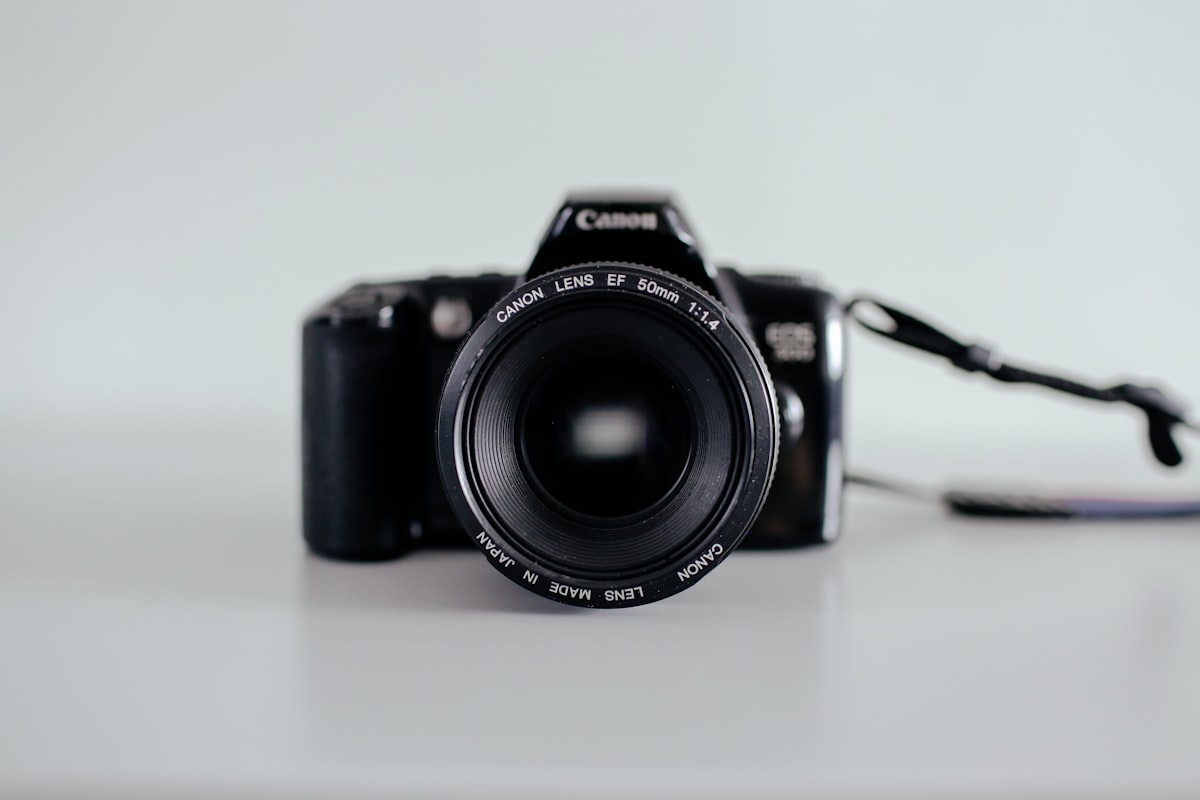
Leica is the unquestioned blue chip of the category. The M3, introduced in 1954, is the most celebrated rangefinder camera ever made — a double-stroke advance, a viewfinder with framelines so clear they are still copied today, and a build quality that means working examples are still being used on professional assignments seventy years later. The M4 and M6 are the most actively traded models, with clean M6 bodies regularly achieving $1,500 to $2,500 at auction depending on condition and variant. Screw-mount Barnack-era Leicas — the III-series cameras from the 1930s and 1940s — occupy their own collector niche and carry a historical premium. One detail buyers consistently miss: the lens attached to a Leica body often exceeds the body’s value. A 50mm Summilux or Noctilux in good condition is worth more at auction as a standalone lot than it is bundled with a body, and consignors should be aware of that.

Hasselblad represents the medium-format side of the blue-chip camera market. The V-System — the 500C, 500C/M, and 503CW — is the iconic square-format camera used by virtually every major studio photographer from the 1960s forward and famously carried to the moon on Apollo missions. The NASA association is not simply marketing: the cameras that went to the moon were stripped and rebuilt to specification, but they started from the same platform available to commercial buyers. Carl Zeiss Planar and Distagon lenses for the V-System have retained value exceptionally well because they resolve at a level competitive with modern optics and mount to Phase One and Fujifilm digital backs with the appropriate adapter. A clean 500C/M body with an 80mm Planar lens still achieves $1,000 to $1,800 at estate auction. The film magazines, which must be completely light-tight to function, are the most common failure point in estate Hasselblads and deserve specific condition notes in any catalog description.

Twin-lens reflex cameras occupy a distinct and undervalued corner of this market. The Rolleiflex — specifically the Standard, Automat, and F-series models produced by Franke and Heidecke in Braunschweig from the 1930s through the 1970s — is the TLR benchmark, pairing a Carl Zeiss Tessar or Planar taking lens with an equally capable viewing lens in a waist-level format. The waist-level finder forces a different relationship with the subject — the photographer looks down into the camera, not through it — and the square medium-format negative is prized for portrait and documentary work. Clean Rolleiflex F models with the Planar lens hold in the $500 to $900 range at auction. The Yashica-Mat 124G, produced in Japan through 1986, offers the TLR experience at a lower price point and is the camera working film photographers reach for when they want to shoot without risking a Rolleiflex. Both photograph beautifully when the taking lens is clean and shutter speeds are accurate, making them practical tools as much as collectibles.

The 35mm SLR golden era runs roughly from the Nikon F’s introduction in 1959 through the late 1970s, and it produced some of the most mechanically refined cameras ever made. The Nikon F and F2 are the professional workhorses of the period, built to withstand field use and still fully capable of taking it. The Canon F-1, the Olympus OM-1, and the Pentax Spotmatic round out a generation of cameras that were deliberately overbuilt for a consumer market and have survived in working condition as a result. Most of these bodies sell in the $100 to $300 range at estate auction — accessible prices relative to what they represent mechanically — with meaningful exceptions for rare black-paint variants, matching-number sets with original lenses, or bodies in genuinely unused condition with original packaging. The lenses from this era, particularly fast primes like the Nikkor 55mm f/1.2 or the Canon 50mm f/0.95, often carry more collector value than the bodies they are mounted on.

Polaroid is the category where the market divides most sharply between the genuinely collectible and the merely nostalgic. The SX-70, introduced in 1972 and manufactured through the early 1980s, is the only Polaroid model that consistently commands meaningful collector prices — particularly the SLR-type folding version with its brushed chrome and tan leather trim. Film is currently available from Polaroid Originals, which has kept working SX-70 cameras in active use and supported their value. A working SX-70 in clean condition brings $150 to $350 at estate auction. The 600-series cameras, the OneStep, and the later consumer models are primarily decorative rather than investment-grade — they are charming objects that turn up in nearly every Florida estate but have not appreciated in any meaningful way. The Polaroid 180 and 195 land cameras, which used the now-discontinued pack film format, have a smaller but devoted collector following among photographers who prize the distinctive quality of the large prints they produced.

At Ageless Auctions, camera equipment surfaces regularly in Florida estate lots, and the condition spread is wide. Equipment stored indoors in climate-controlled homes typically functions as well as it did when it was purchased — mechanical shutters are inherently durable when they have not been exposed to humidity or extended heat. Garage and attic storage tells a different story: shutter mechanisms corrode, lens elements develop the internal fungal growth that appears as a web of fine lines visible under light, and the foam seals that prevent light leaks disintegrate into a powder that contaminates the camera interior. We note storage history when it is known, test shutters at multiple speeds where we can do so safely, and photograph lenses directly against a light source to reveal internal haze or fungus before cataloging. For buyers bidding remotely, those inspection details are the difference between a camera that goes straight to use and one that requires a CLA — a professional clean, lubricate, and adjust service — before it is ready to shoot.


More Stories

Lalique, Wedgwood, and the European Decorative Arts at American Auction
Collecting GuideJune 5, 2026

Lalique, Wedgwood, and the European Decorative Arts at American Auction

A genuine R. Lalique vase signed before 1945 can bring twenty times its post-war counterpart. Wedgwood Jasperware sits on shelves in nearly every estate but only certain pieces hold premium value. The marks tell the whole story.

Summer Estate Season: What Comes to Market and Why
Industry InsightsMay 29, 2026

Summer Estate Season: What Comes to Market and Why

Estate auction inventory has seasons. Florida summers, in particular, surface categories you won't see in November — and the bidder competition often thins out at exactly the wrong time for sellers and the right time for buyers.

Sports Memorabilia Beyond Cards: Jerseys, Bats, and Signed Equipment
Market InsightsMay 22, 2026

Sports Memorabilia Beyond Cards: Jerseys, Bats, and Signed Equipment

The card market gets the headlines, but jerseys, bats, balls, and signed equipment have quietly become the strongest-growing slice of sports collecting. Authentication is the entire ballgame.

Costume Jewelry: Bakelite, Trifari, and the Vintage Premium
Collecting GuideMay 8, 2026

Costume Jewelry: Bakelite, Trifari, and the Vintage Premium

Costume jewelry sounds like the consolation prize next to fine jewelry — until you realize a single Bakelite bangle can bring $1,200 and a signed Trifari brooch can outperform a 14k pendant. The trick is knowing the makers.

Vintage Advertising Signs: Porcelain, Tin, and the Americana Premium
Collecting GuideMay 1, 2026

Vintage Advertising Signs: Porcelain, Tin, and the Americana Premium

A single porcelain gas-station sign can sell for more than an entire estate’s furniture. Vintage advertising has become one of the strongest categories in Americana — and one of the most heavily faked.

Roseville, McCoy, and Hull: Reading American Art Pottery at Auction
Collecting GuideApril 10, 2026

Roseville, McCoy, and Hull: Reading American Art Pottery at Auction

Three names dominate American art pottery in the secondary market — Roseville, McCoy, and Hull. The shape and glaze tell you the maker; the marks tell you whether you're holding the real thing or a 1990s reproduction.

Tiffany Studios and the Lasting Value of American Art Glass Lamps
Collecting GuideMarch 27, 2026

Tiffany Studios and the Lasting Value of American Art Glass Lamps

A genuine Tiffany Studios lamp can bring six figures at auction, but reproductions and contemporaneous competitors fill estates by the thousand. Knowing the difference is the entire game.

Vintage Watches: What to Look for at Auction
Collecting GuideMarch 20, 2026

Vintage Watches: What to Look for at Auction

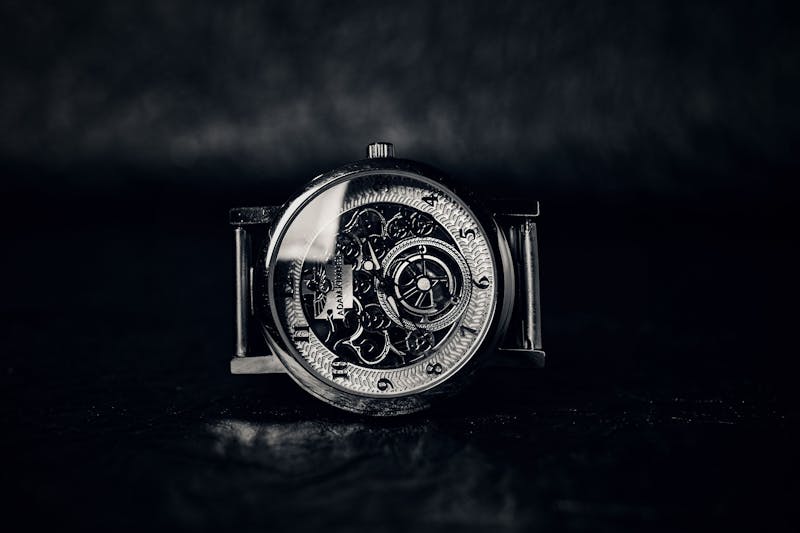
A mechanical watch from the right maker can be worth ten times more than a quartz piece from the same era. Knowing what separates the valuable from the ordinary can make or break your bid.

Sterling Silver: From Flatware to Collectible
Collecting GuideMarch 13, 2026

Sterling Silver: From Flatware to Collectible

Sterling silver shows up in nearly every estate auction, and most buyers have no idea what they are looking at. Understanding hallmarks, weight value, and pattern premiums changes how you bid.

Unlicensed Auctions Are Everywhere — Here’s What Buyers and Sellers Should Know
Industry InsightsMarch 6, 2026

Unlicensed Auctions Are Everywhere — Here’s What Buyers and Sellers Should Know

Not every auction is a legal one. In Florida and across the country, unlicensed operators are running estate sales and auctions without the credentials required by law. Here’s why that matters and how to protect yourself.

Sports Cards Are Back: What’s Driving the 2026 Market
Market InsightsFebruary 12, 2026

Sports Cards Are Back: What’s Driving the 2026 Market

From graded rookies to signed jerseys, sports collectibles are having a moment. We break down what’s hot, what’s holding value, and where smart collectors are looking right now.

Why Designer Bags Hold Their Value Better Than Almost Anything
Collecting GuideFebruary 5, 2026

Why Designer Bags Hold Their Value Better Than Almost Anything

Luxury handbags have quietly become one of the smartest investments in the collectibles market. Here is what makes them hold — and even gain — value over time, and what to look for when buying.

Collecting Art Glass: A Beginner’s Guide to Murano and Beyond
Collecting GuideJanuary 28, 2026

Collecting Art Glass: A Beginner’s Guide to Murano and Beyond

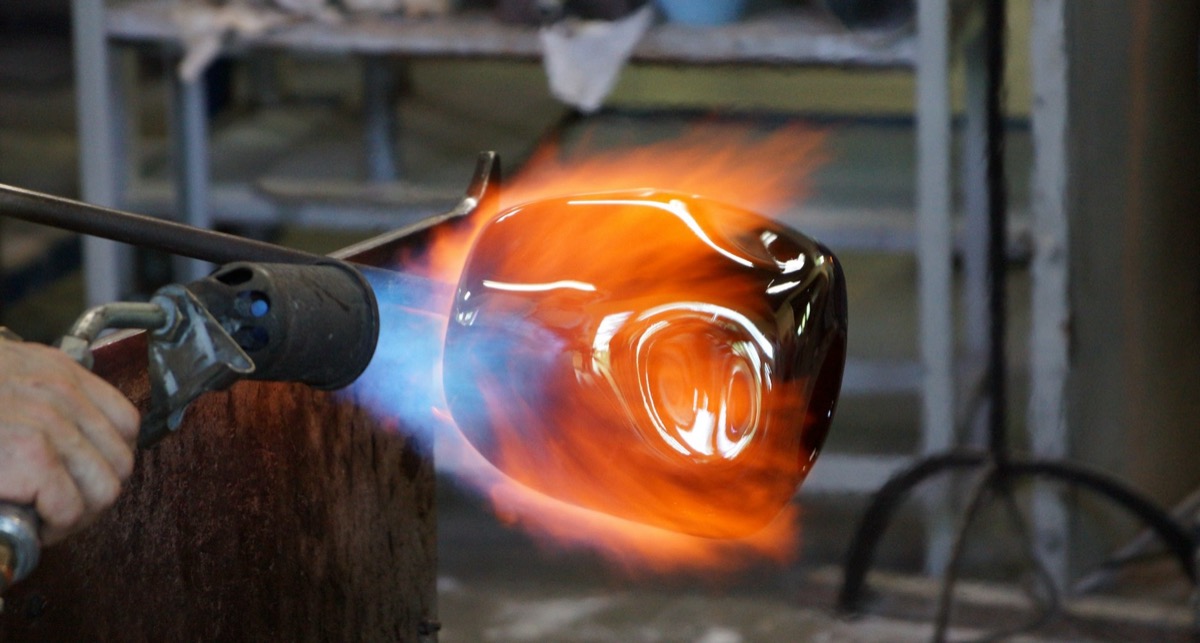
Art glass is one of the most rewarding — and accessible — categories for new collectors. Here’s what to look for, how to spot quality, and why Murano keeps commanding attention.

Mid-Century Modern Furniture: Why It Dominates Auction Results
Collecting GuideJanuary 21, 2026

Mid-Century Modern Furniture: Why It Dominates Auction Results

Mid-century modern has been “trending” for two decades and shows no signs of stopping. Here is why the best pieces keep climbing, what to look for, and what the auction floor actually looks like.

Collecting Vintage Toys: What’s Actually Worth Money in 2026
Collecting GuideJanuary 14, 2026

Collecting Vintage Toys: What’s Actually Worth Money in 2026

Not every childhood toy is a hidden treasure, but some are worth far more than anyone expects. Here is what serious collectors are chasing in 2026, and why condition and packaging change everything.

Vinyl Records: Separating the Valuable from the Common
Collecting GuideJanuary 7, 2026

Vinyl Records: Separating the Valuable from the Common

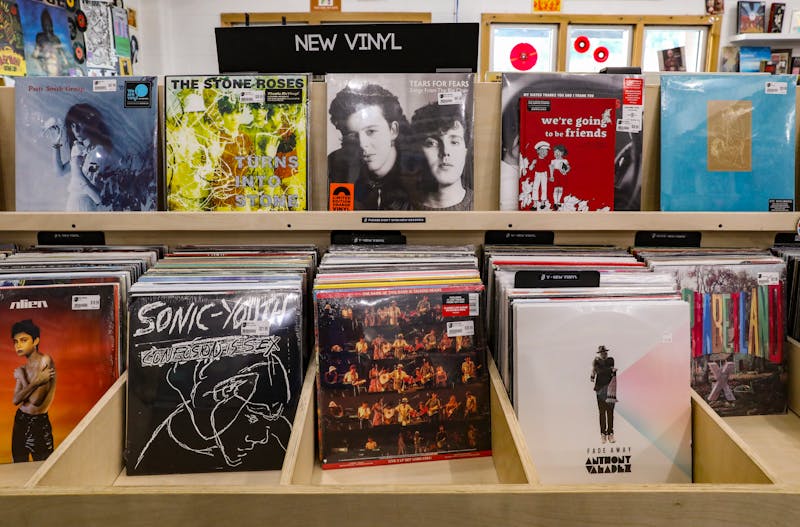
Most vinyl records are worth a dollar or two at a garage sale. A small percentage are worth hundreds or thousands. Knowing the difference comes down to pressing, condition, and genre — and it is learnable.

Why Estate Auctions Beat Retail for Luxury Goods
Market InsightsDecember 18, 2025

Why Estate Auctions Beat Retail for Luxury Goods

Retail is not the only — or even the best — way to acquire luxury goods. Estate auctions offer authenticated designer pieces at below-retail prices, with a depth of inventory no single boutique can match. Here’s why the secondary market has become the smart buyer’s first stop.

The Rise of Video Game Collecting
Market InsightsDecember 11, 2025

The Rise of Video Game Collecting

Retro gaming has grown from a niche hobby into a serious collectibles market, with sealed games and rare cartridges commanding prices that rival vintage sports cards. Here’s what is driving the boom and what turns up in Florida estates.

Fine Jewelry Authentication: What Every Buyer Should Know
Industry InsightsDecember 4, 2025

Fine Jewelry Authentication: What Every Buyer Should Know

Buying fine jewelry without understanding authentication basics is a gamble no buyer needs to take. From hallmarks and karat stamps to gemstone certification, here is what to look for — and why licensed auction houses offer stronger protections than private sales.

Military Memorabilia: Collecting Medals, Uniforms, and History
Collecting GuideNovember 20, 2025

Military Memorabilia: Collecting Medals, Uniforms, and History

Military memorabilia connects collectors to some of the most significant events in modern history. From World War II medals to service uniforms and field equipment, here is what serious collectors know — and what turns up in Florida estates.

Coin Collecting 101: What Actually Sells at Auction
Collecting GuideNovember 13, 2025

Coin Collecting 101: What Actually Sells at Auction

Not all coins are created equal — and not all collections are worth what their owners believe. Here is a practical guide to grading, key dates, silver content, and the mistakes beginners make when buying and selling at auction.

How Online Auctions Actually Work
Auction GuideNovember 6, 2025

How Online Auctions Actually Work

Online auctions have opened up the world of estate buying to anyone with a phone or laptop — but the mechanics are different from what most people expect. Here’s a clear breakdown of how timed auctions work, what a soft close means, and how to bid smart from day one.

First-Time Bidder? Here’s Everything You Need to Know
Auction GuideOctober 30, 2025

First-Time Bidder? Here’s Everything You Need to Know

Bidding at an online auction for the first time is easier than it looks — but there are a handful of things that trip up nearly every new buyer. This guide covers everything from registration to pickup so you know exactly what to expect.

How to Ship Fragile Auction Wins Safely
Auction GuideOctober 23, 2025

How to Ship Fragile Auction Wins Safely

Winning a beautiful piece of glass, porcelain, or framed art at auction is only half the battle. Getting it home in one piece requires the right materials, the right carrier, and a packing approach designed for worst-case handling. Here’s what actually works.

Estate Cleanouts: What to Keep, Sell, or Donate
Industry InsightsOctober 16, 2025

Estate Cleanouts: What to Keep, Sell, or Donate

Walking into a home full of a lifetime’s worth of belongings is overwhelming. Knowing how to quickly assess what has real value, what belongs at a thrift store, and what should stay in the family makes the entire process faster and more rewarding.

What Happens After You Win: Auction Payment and Pickup Explained
Auction GuideOctober 9, 2025

What Happens After You Win: Auction Payment and Pickup Explained

Winning a lot is the exciting part. What comes next — invoices, payment deadlines, pickup windows, and shipping arrangements — is where the transaction actually gets completed. Here is exactly what to expect.

Antique Porcelain and China: Hidden Value in Your Cabinet
Collecting GuideOctober 2, 2025

Antique Porcelain and China: Hidden Value in Your Cabinet

That china cabinet collecting dust in the dining room may hold more than memories. From Limoges to Meissen, antique porcelain and china remain one of the most consistently underestimated categories in the estate market — if you know what to look for.

Designer Clothing at Auction: Beyond the Handbag
Market InsightsSeptember 25, 2025

Designer Clothing at Auction: Beyond the Handbag

Luxury handbags get most of the attention, but the market for vintage designer clothing is growing fast. Knowing which brands hold value, what authentication looks like, and what condition buyers expect can make the difference between a disappointing result and a genuine windfall.

Book Collecting: First Editions and Signed Copies
Collecting GuideSeptember 18, 2025

Book Collecting: First Editions and Signed Copies

A first edition in a fine dust jacket can be worth hundreds of times more than a later printing of the same title. Understanding how to identify what you have — and what condition means in the book world — is the foundation of smart book collecting.

Cast Iron, Copper, and Kitchen Collectibles Worth Real Money
Collecting GuideSeptember 11, 2025

Cast Iron, Copper, and Kitchen Collectibles Worth Real Money

The kitchen is one of the most overlooked rooms in an estate. Griswold and Wagner cast iron, antique copper cookware, vintage Pyrex, and decorated enamelware have all built serious collector followings — and the prices reflect it.

Why Smart Buyers Are Choosing Auctions Over Thrift Stores
Market InsightsSeptember 4, 2025

Why Smart Buyers Are Choosing Auctions Over Thrift Stores

Thrift stores get the foot traffic, but serious buyers are increasingly turning to online auctions. Authentication, condition transparency, competitive pricing, and a dramatically wider selection are changing how people think about secondhand buying.

Get Auction Alerts

Be the first to know when our next auction goes live. We’ll send you a heads-up with the date, catalog preview, and registration link — nothing more.

We respect your privacy. Unsubscribe anytime.