Cast Iron, Copper, and Kitchen Collectibles Worth Real Money
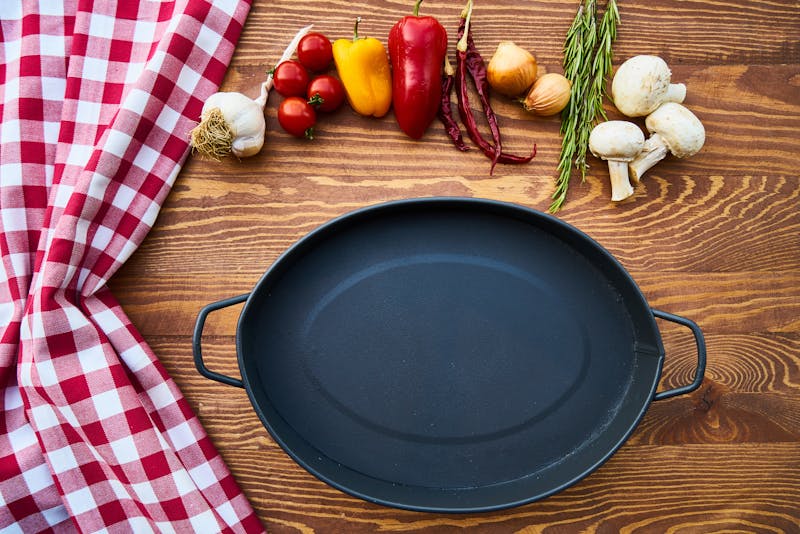
When estate professionals walk through a home, the living room and bedrooms typically get the most attention. The furniture, the art, the jewelry — these are the obvious categories. The kitchen, by contrast, is often treated as an afterthought. That is a habit worth breaking. Over the past fifteen years, kitchen collectibles have evolved from a niche curiosity into a robust market with sophisticated buyers, established pricing benchmarks, and a collector community that takes condition and provenance as seriously as any other category.
Cast iron cookware is the anchor of this market, and within cast iron, two names stand above all others: Griswold and Wagner. Both were American manufacturers operating from the late nineteenth century through most of the twentieth, and both produced skillets, dutch ovens, griddles, and specialty pieces that have proven almost indestructible with proper care. Griswold, based in Erie, Pennsylvania, is the more actively collected brand: a large Griswold skillet in excellent condition, with a smooth cooking surface and a clearly legible logo mark, can sell for fifty to several hundred dollars depending on the specific model and size. The early “Large Block” logo pieces and uncommon specialty items command the highest premiums. Condition factors include the clarity of the logo mark, the smoothness of the cooking surface, and the absence of cracks, pitting, or inappropriate seasoning that obscures detail.
Copper cookware occupies a different aesthetic and price point. Antique French copper — the heavy, hand-hammered pieces produced for professional kitchens in the nineteenth and early twentieth centuries — is among the most beautiful functional cookware ever made. Pieces marked by known Paris manufacturers, or bearing hotel and restaurant crest engravings, attract buyers who appreciate both the craftsmanship and the culinary history. American copper from the same era, while less prestigious, is attracting growing interest. Condition evaluation for copper focuses on the integrity of the tin lining, the solidity of the handles, and the overall patina — authentic aged patina is valued, artificial brightening is not.
Vintage Pyrex has built one of the most enthusiastic collector communities in the kitchenware category, driven largely by the discontinued patterns of the 1950s through 1970s. The “Gooseberry” pattern in pink, the “Harvest” pattern in gold, and the “Friendship” pattern in blue are among the most sought-after, with rare colorways and promotional pieces selling for prices that routinely surprise people who grew up using these dishes without a second thought. Condition is paramount — crazing, staining, and pattern wear all reduce value significantly — and finding complete sets in excellent condition is increasingly difficult as the supply of estate-quality pieces decreases.
Enamelware — the speckled graniteware and colorful enameled pieces used in American kitchens from the 1870s through the 1940s — is a sleeper category with genuine upside. Blue and white speckled coffee pots, red and white enamel canisters, and unusual colored pieces in green or lavender all have collector followings. The rarest pieces are those in unusual colors, large sizes, or with applied labels and graphics that survived intact. Chips are the primary condition concern: enamel chips are both visually obvious and difficult to repair convincingly.
What unifies these categories is a combination of genuine utility, material quality, and nostalgia that resonates broadly. Unlike some collectibles that appeal only to specialists, kitchen items connect with a wide range of buyers — those who collect seriously, those who want to actually cook with vintage tools, and those who are furnishing kitchens with period-appropriate pieces. That broad base of buyers creates healthy demand at auction, and it means that properly identified kitchen collectibles tend to sell rather than sit.
At Ageless Auctions, we pay close attention to kitchen and pantry contents when we are cataloging an estate. The range of what we find is genuinely surprising: sometimes a single Griswold skillet, sometimes a complete copper batterie de cuisine, sometimes a full set of vintage Pyrex that has been in a cabinet unused for forty years. Florida estates are particularly productive territory for this category — many older homes contain kitchen equipment that was purchased new in the mid-twentieth century and simply never replaced. For buyers who know this market, these estates offer opportunities that are hard to find through any other channel.