Estate Auctioneers · Sarasota, FLFlorida
Where Every Lot
Tells a Story
50+
Auctions
25,000+
Lots Sold
10,000+
Shipments
5.0
Google Reviews
What Our Bidders Say
5.0 Stars on Google
“I have recently moved down to Florida, and was lucky enough to find Ageless Auctions. I have dealt with other auction houses over the past 8 years, but Denny and Laura are the best and most professional people I have had the pleasure of dealing with. I will happily continue to buy from them. A true 5 star organization.”
Randy B.
Who We Are
We Bring the Auction to the Treasure
Family-owned and Florida-licensed (AU5181 / AB3948), we travel the great state of Florida, hunting for the best deals — from estate buyouts and business liquidations to storage lien sales and private collections.
Gone Mobile
After four years running a traditional auction house and our daughter off to college, we’ve gone mobile! We now hold our auctions directly from the cities and locations where we acquire our inventory, which means our next auction could be anywhere in Florida.
Estate Specialists
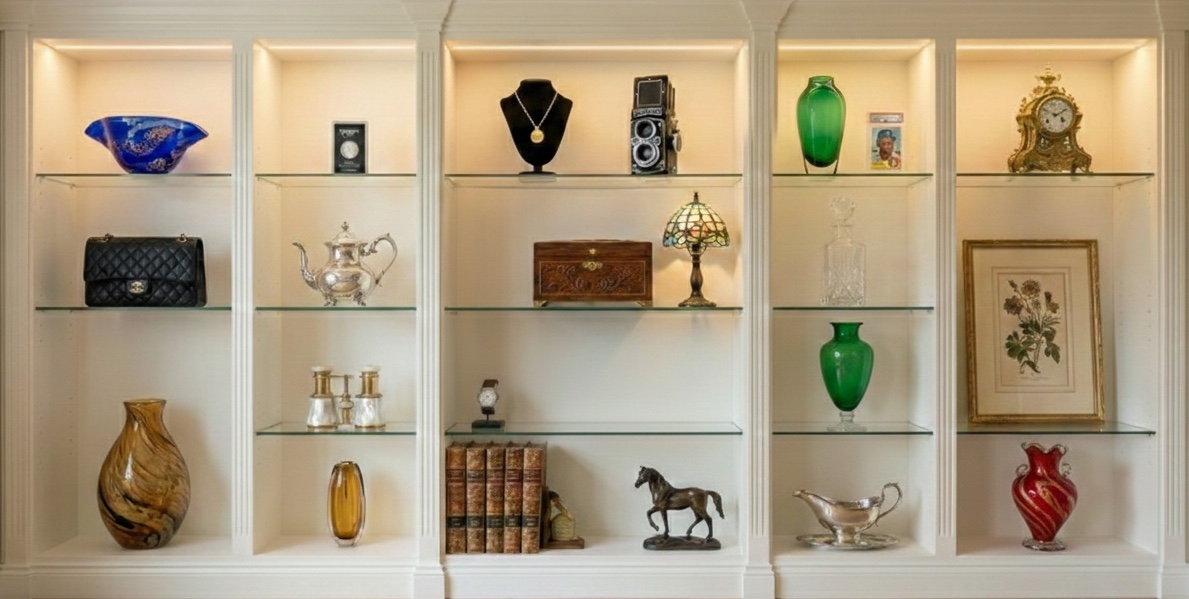
Specializing in designer goods, fine jewelry, vintage collectibles, antiques, and rare finds, we bring the auction to the treasure.
Stay in the Loop
Since we never know where we’ll be next, the best way to stay in the loop is to sign up for our newsletter and auction alerts so you’re the first to know when and where we’re selling next.
From the Auction Floor
Stories & Insights

Lalique, Wedgwood, and the European Decorative Arts at American Auction
A genuine R. Lalique vase signed before 1945 can bring twenty times its post-war counterpart. Wedgwood Jasperware sits on shelves in nearly every estate but only certain pieces hold premium value. The marks tell the whole story.

Summer Estate Season: What Comes to Market and Why
Estate auction inventory has seasons. Florida summers, in particular, surface categories you won't see in November — and the bidder competition often thins out at exactly the wrong time for sellers and the right time for buyers.
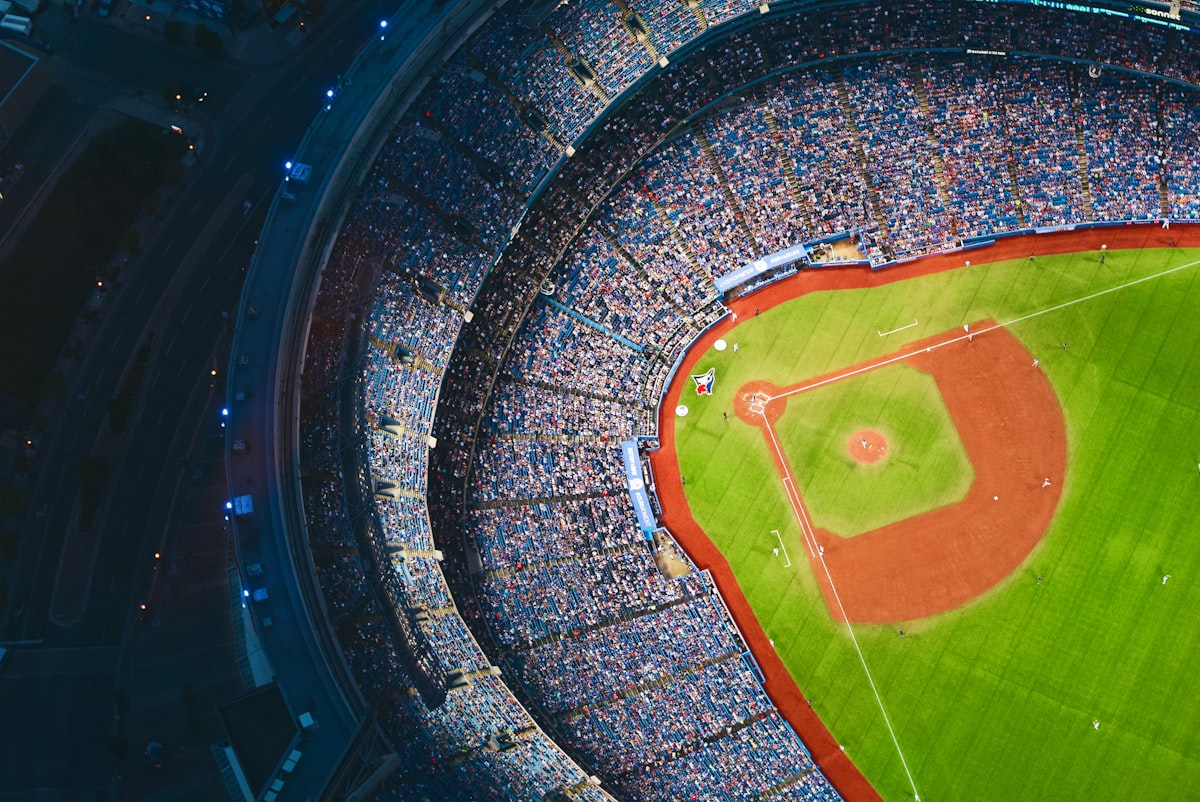
Sports Memorabilia Beyond Cards: Jerseys, Bats, and Signed Equipment
The card market gets the headlines, but jerseys, bats, balls, and signed equipment have quietly become the strongest-growing slice of sports collecting. Authentication is the entire ballgame.
Sell With Confidence
Thinking of Selling?
Sitting on a jewelry collection, graded sports cards, designer pieces, or an entire estate that needs a new home? We handle everything — photography, cataloging, marketing, and getting your items in front of the right bidders.
From collection buyouts and estate acquisitions to business liquidations and storage lien sales, we buy it all. We’ve built our reputation on honest valuations, transparent commissions, and results you can count on.
Please note: We are not currently accepting individual consignments. Our focus is on full collection buyouts, estate acquisitions, and liquidations. Check back periodically as availability may change.
Get Auction Alerts
Be the first to know when our next auction goes live. We’ll send you a heads-up with the date, catalog preview, and registration link — nothing more.
We respect your privacy. Unsubscribe anytime.